

Remote Photography Lessons Online
29th April 2020
1-to-1 Bespoke Photography Tuition in Northumberland
9th September 2020
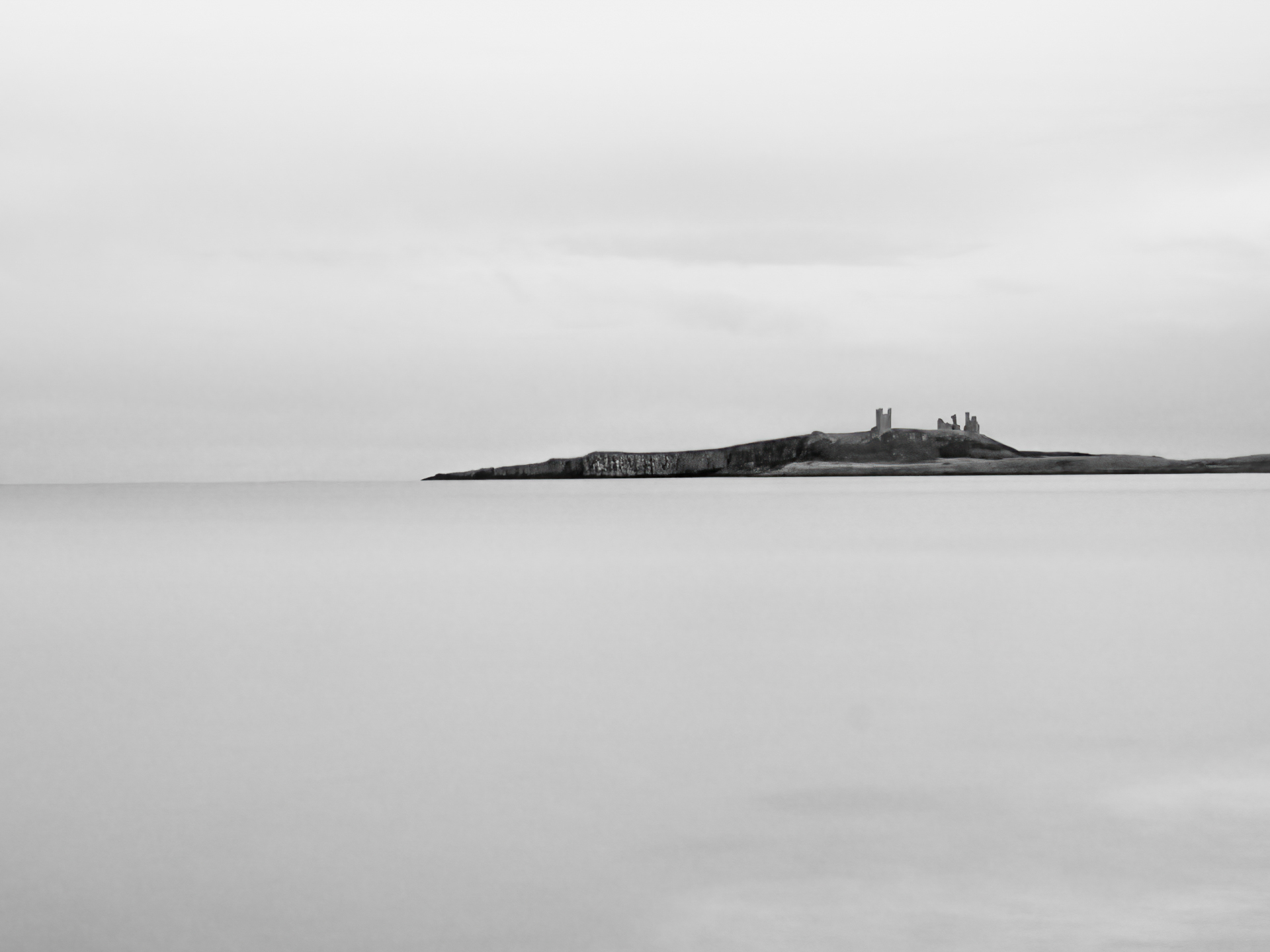
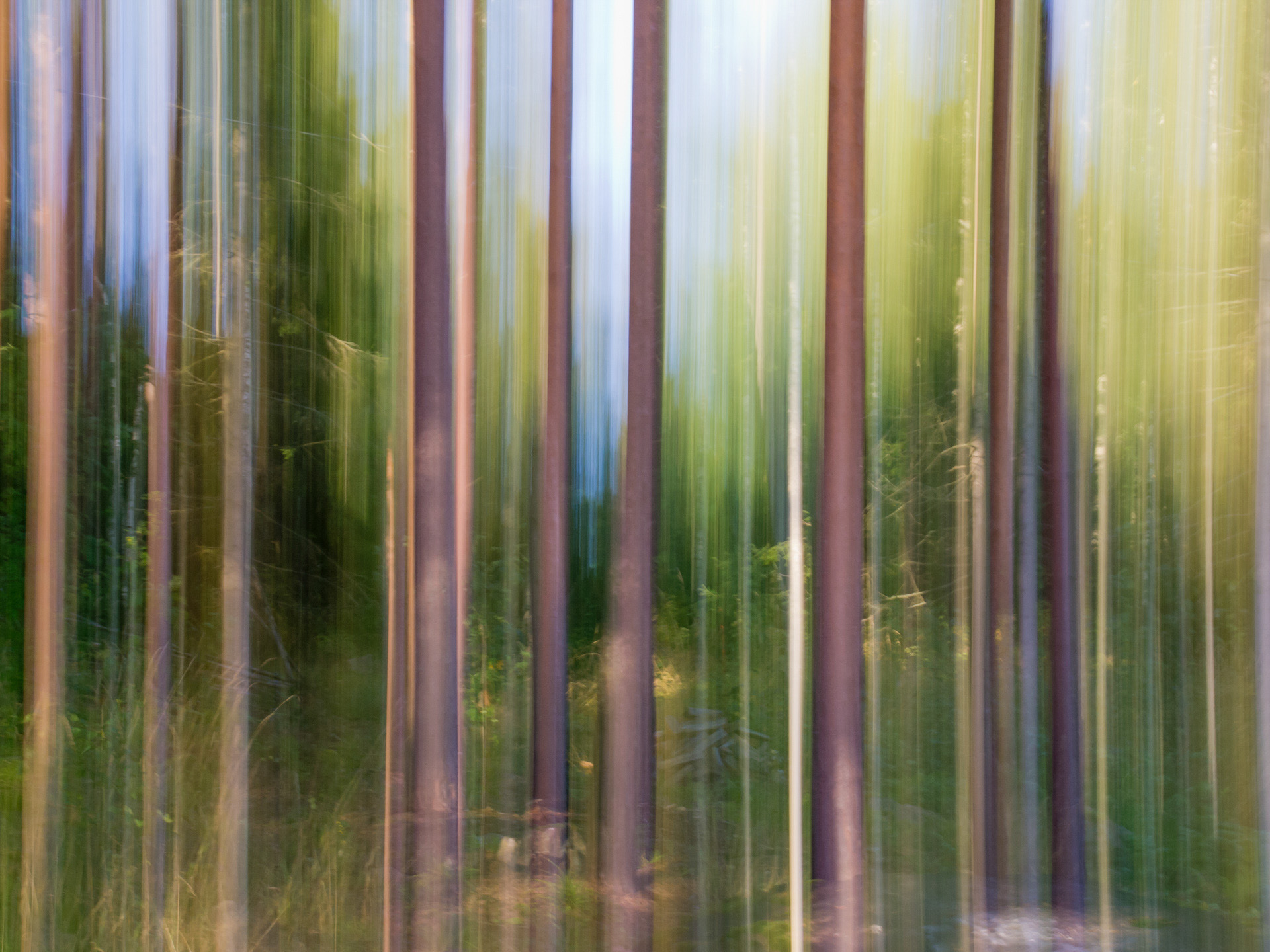
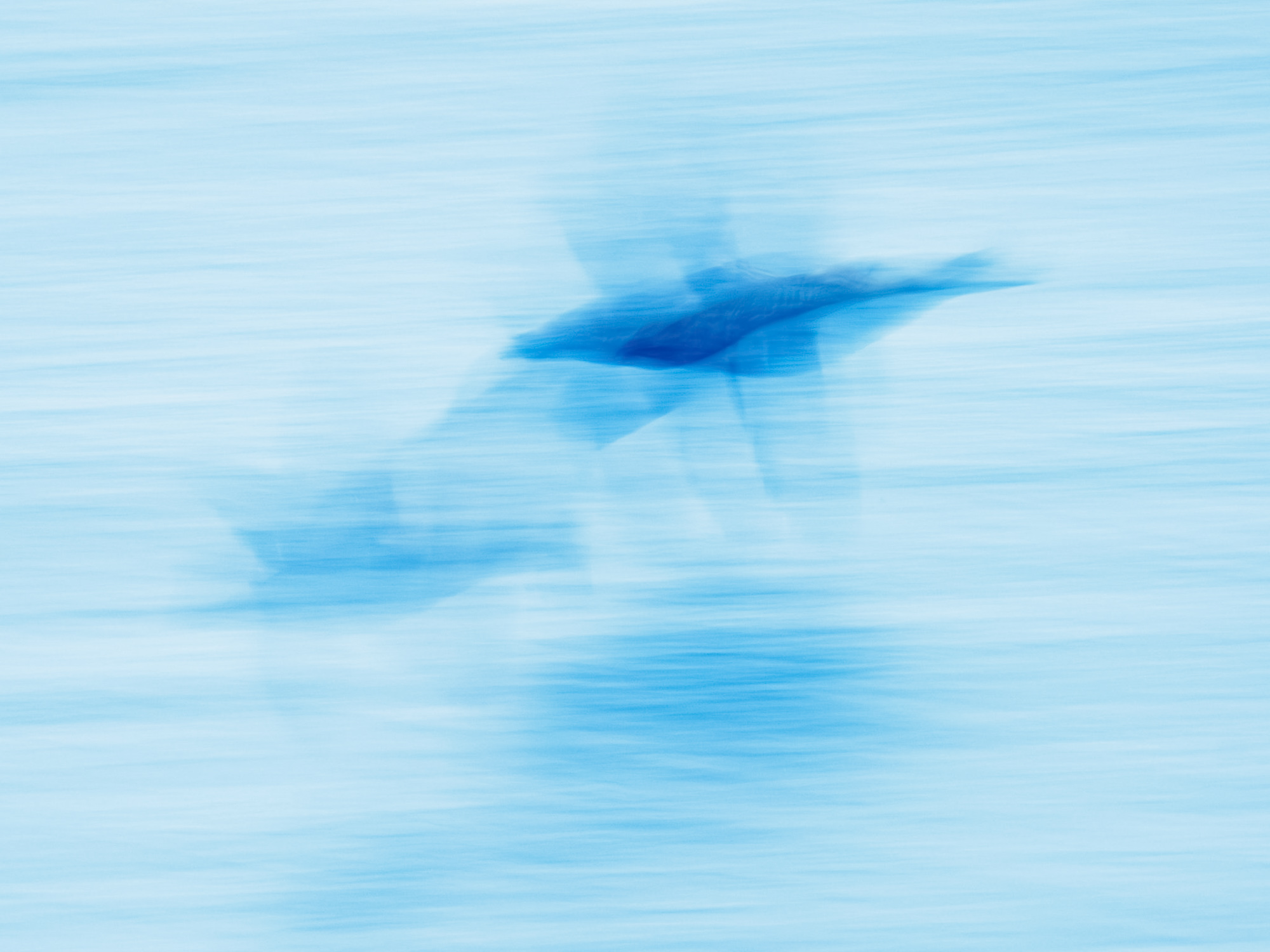
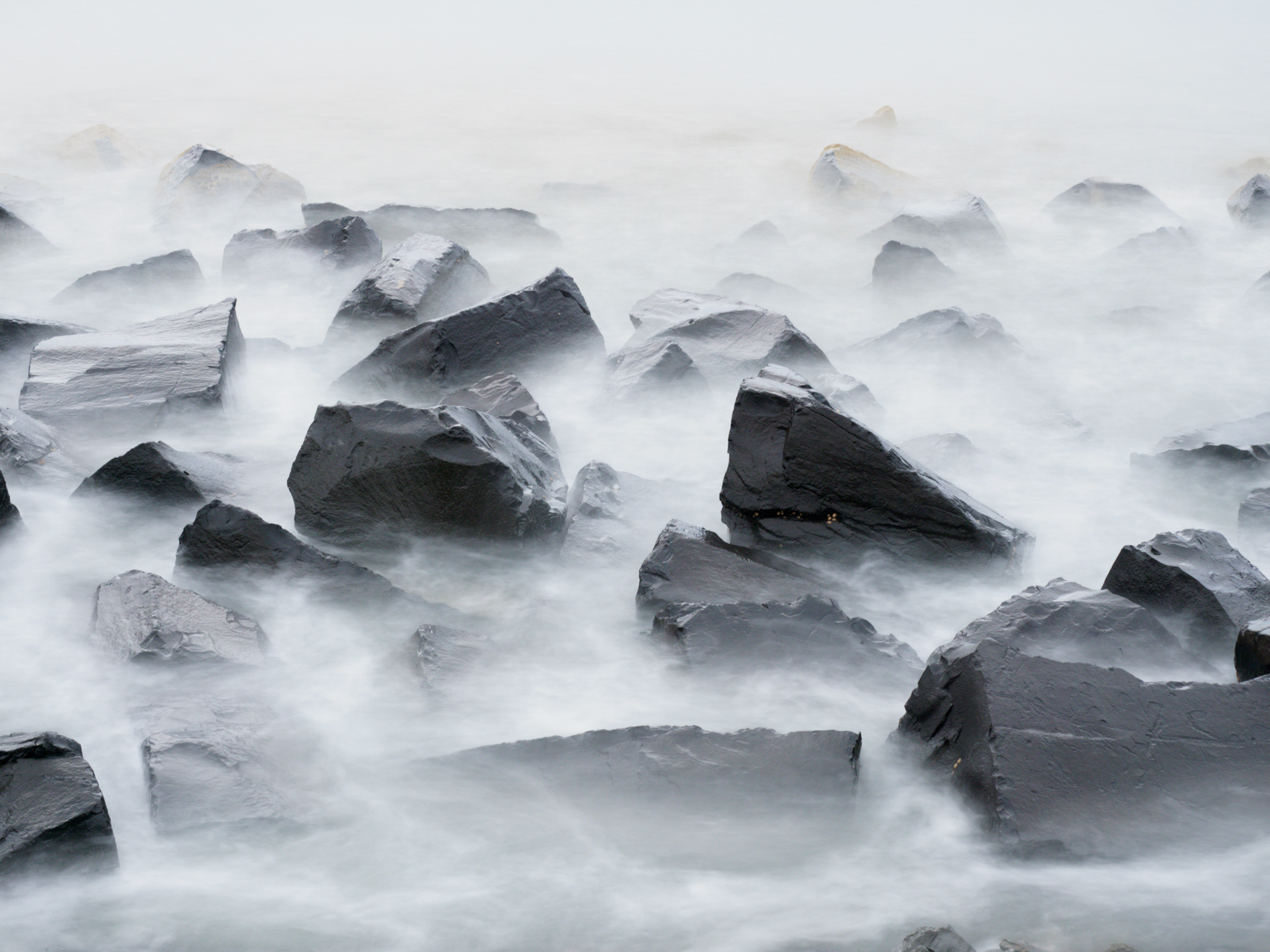
Camera Skills and Creativity for GCSE and A-Level Photography Students. 5 lessons
Photography course for beginners who want to improve their photography.
Price range: £245.00 through £450.00
Supporting GCSE, A-level, and NVQ Photography Students
Every year, I get young people and their parents asking me to help with their GCSE, A-level or NVQ photography. Often, the young person’s creative vision cannot be realised because their school has not taught the skills needed to achieve it. Therefore, I have put together this course that provides the technical and compositional skills to enable young people to create the images they want.
It is not a GCSE course, but an add-on to what is taught in schools. It is solely aimed at students working towards their GCSE or A-Level Photography or those using photography for their GCSE Art.
The course aims to give students the opportunity to learn and improve the skills often overlooked in school lessons. The intention is for you to become a skilled photographer who can generate creative ideas and translate them into photographs.
What You Will Learn
In my photography workshops, I let you discover how to use the core elements of visual language: line, form, colour, pattern and texture. You can then create stronger, more intentional images. I guide you to consider your intended audience and the purpose of your image. That is so you understand why you are taking a photograph, not just how.
Importantly, you will learn to use your camera equipment properly. That will include lenses, filters, and lighting as appropriate for your photographic area. The main emphasis of the course is on viewpoint, composition, aperture, depth of field, shutter speed, and movement. You will use these with confidence and understand how each decision affects the final image.
Moreover, in the workshops, you will focus on your chosen themes, concepts, and briefs. Therefore, you can develop the ability to produce images for your coursework that communicate your ideas and meet specific needs.
Finally, I teach the full workflow of photographic production from capture to editing to presentation, so you can produce and lay out your work to a professional standard.
Spread over five weeks, this series of workshops will take you from the basic practical camera skills to more advanced techniques. Once you are skilled with the basics, you will be encouraged to use them to discover ways to achieve the photos you visualise
Of course, everyone has different skill levels, so the syllabus is flexible. Whatever your starting point, it will help you develop the knowledge you need for your GCSE, A-level, or NVQ in photography.
We typically cover:
- Proper camera handling
- Camera menus, controls and buttons
- Understand light
- Exposure and different metering methods
- White balance
- Aperture, shutter and ISO values
- Composition
- Positioning yourself for the best shot
- Focal length
- Focusing methods
- Understanding the histogram
- Depth of field and hyperfocal distance.
- Choice of lenses.
- Introduction to digital development and editing.
The course will be based on your chosen genre. This may include:
- portraiture and studio photography, including the use of a flash.
- location photography, including landscapes, seascapes, and architecture.
- experimental imagery, including abstract photography.
- documentary photography, including wildlife and street photography.
- photo-journalism.
- video.
- fashion photography.
During the course, you will discover
- colour.
- black and white
- line.
- form.
- tone.
- texture.
- shape.
- pattern.
- composition.
- scale.
- sequence.
- surface.
- contrast.
You will discover how to make informed choices about using them to achieve the results you want.
We will also look at developing and editing images and carry out Giclée printing on gallery-grade or fine-art paper.
Workshops Structure for GCSE, A-level and NVQ Students
The course is scheduled to run for 5 weeks, although it can be extended. You can also book this with your friends. The per-person price then drops as your group size increases.
I usually take no more than four people at a time. Each workshop is at least an hour and a half long and usually based in and around Amble, Warkworth and Druridge Bay. Although we can go farther afield if necessary. If there are more than two people, each workshop lasts 2 hours, so everyone gets some 1-to-1 tuition time.
FAQs
What is Your Approach to running the workshops for GCSE students?
I have a friendly, laid-back approach to running courses and have developed unique, effective methods for teaching photography.
Furthermore, I believe in delivering high-quality, progressive training. Accordingly, these courses don’t include hours of health and safety lessons, job market research, or CV writing, as you’ll find in NVQs. My aim is to share my knowledge so you can learn to take great photographs.
My course feedback is rated 5 stars and 100% on Trustpilot, Google and Facebook.
Can you adapt the workshops for GCSE students with health or mobility challenges?
I get a complete mix of people on my courses. Sometimes people have physical and mental health challenges, and I always adapt my workshops to make them accessible to everyone.
Who can apply for this course?
This course is only for GCSE, A-Level and NVQ students who are at school or a sixth form college.
Is Ivor DBS checked?
I am DBS-checked for working with both children and vulnerable adults. Parents are welcome to ask their schools or youth organisations to contact me, and I will pass on my DBS certificate number and other information to them to check. I am also happy for parents to be present during the training.
When and where do you run these?
Because these are mostly run outdoors, they can run in the evenings when it is still light. During late autumn, winter and early spring, they are on Saturday mornings or afternoons.
Can you deliver this training in schools?
Yes. If a school wants me to deliver a series of workshops, they can contact me.
Please get in Contact
If you have any questions, please contact me,
| Number of people | One, Two, Three, Four |
|---|
You may also like…
-
Gift Certificate for 3 Workshops
£192.00


Reviews
There are no reviews yet.