
Gift Vouchers
12th January 2018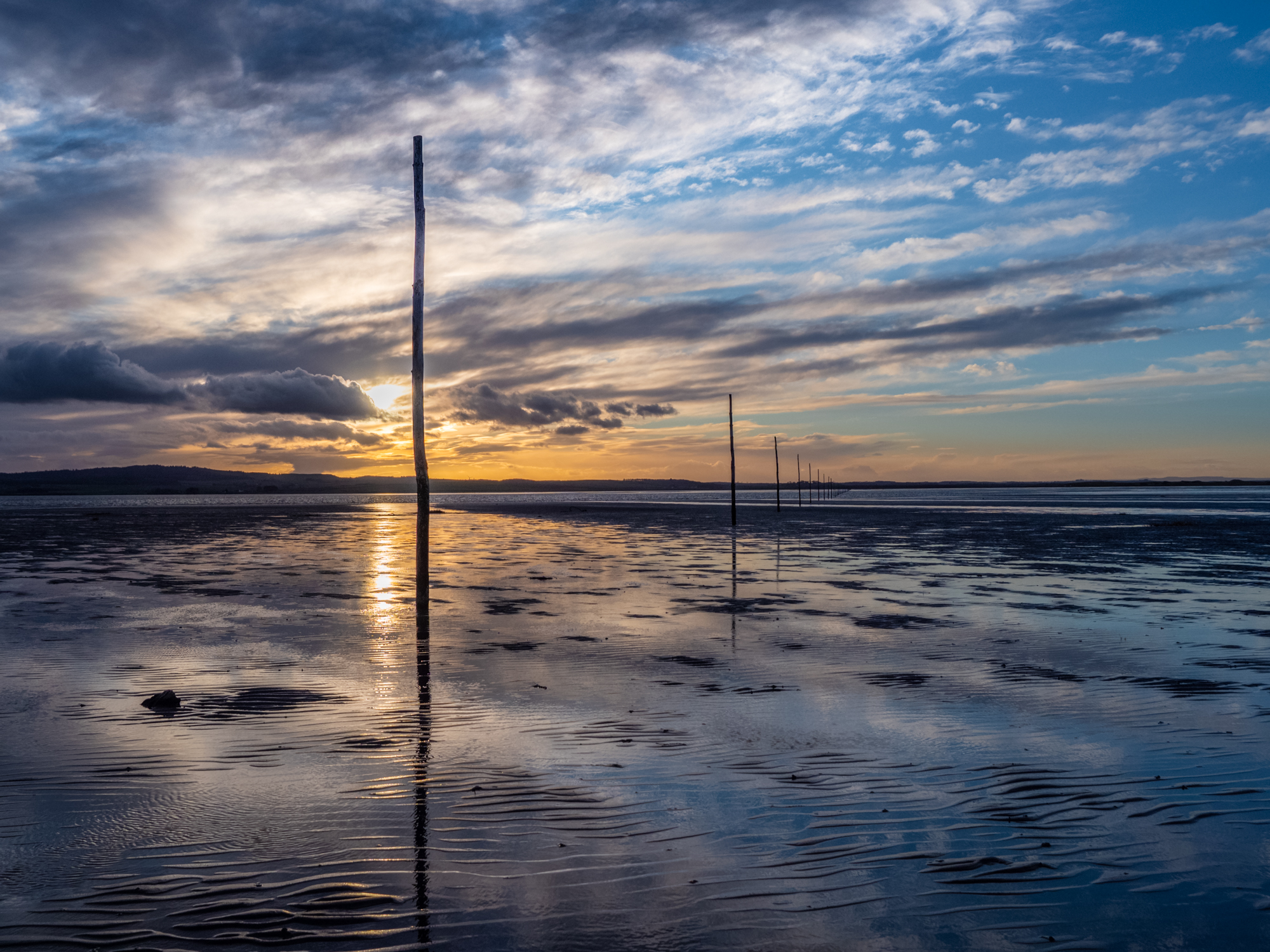
Autumn Light Photography Course in Northumberland – Starting Friday 2nd October 2026
Improve your landscape, seascape and wildlife photography in Northumberland’s autumn light. Five practical sessions, including sunrise and night photography, for improvers.
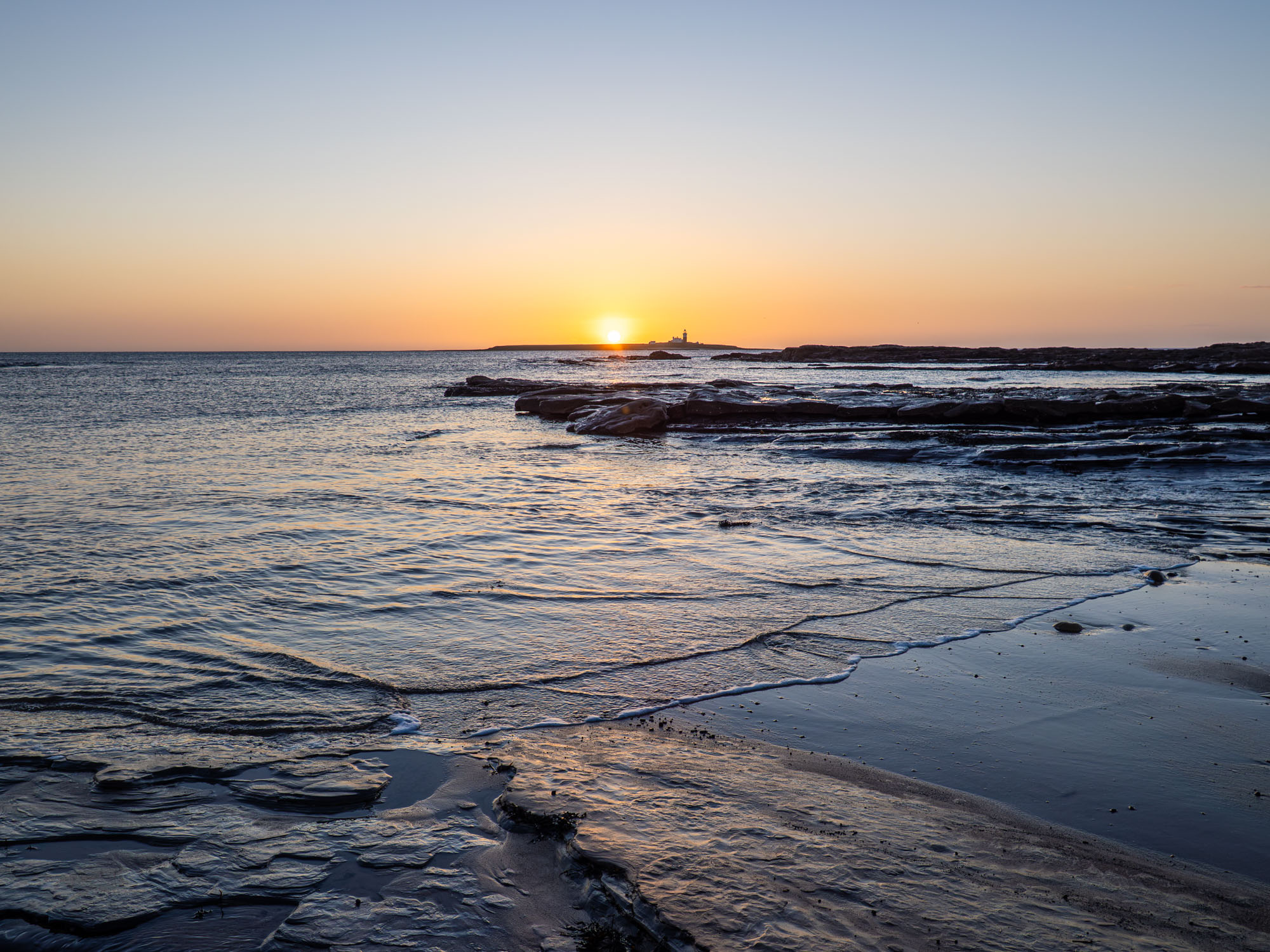
Original price was: £279.00.£249.00Current price is: £249.00.
6 in stock
Autumn Light brings some of the year’s most rewarding photographic conditions.
Warm, low sunlight; colourful foliage, misty mornings, dramatic seas; migratory birds; later sunrises; and longer nights. This Autumn Light Photography Course makes the most of these to help you get better photos.
This practical five-session photography course is for improvers. You will already understand your camera’s basic controls but want to feel more confident and creative.
The course spans five carefully timed shoots. During them, you will learn how to make the most of changing autumn light in Northumberland’s landscapes, coastline and wildlife locations.
With no more than six photographers in the group, you’ll have plenty of opportunity for individual help with camera settings, composition, and developing your own ideas.
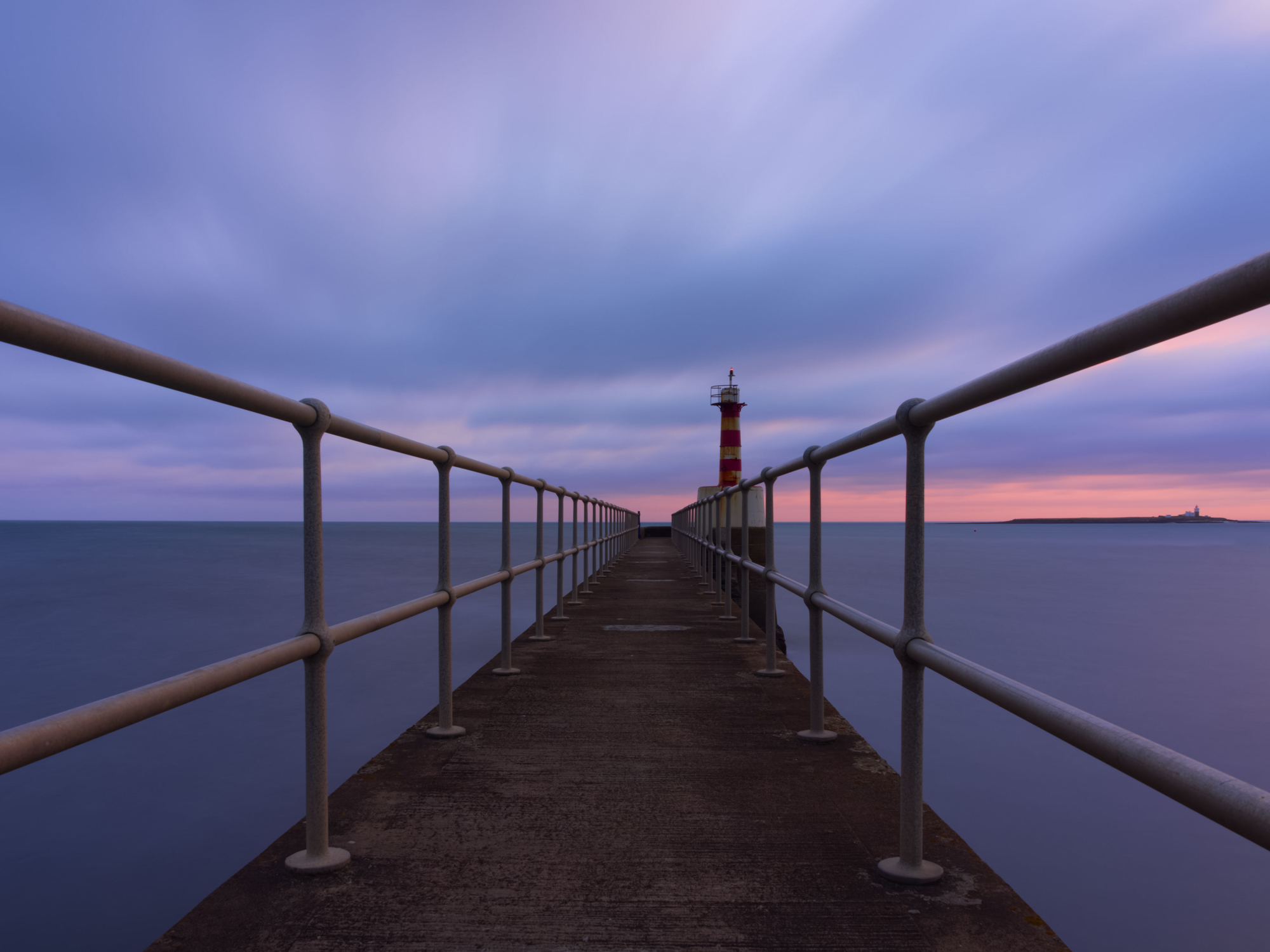
What you will learn on the Autumn Light Photography Course
- Reading light, weather and the landscape before taking the photograph
- How to create stronger landscape and seascape compositions
- When to use different shutter speeds for moving water, waves and wildlife
- How to use filters
- How to control exposure, focus and depth of field in challenging conditions
- The techniques for photographing birds and other wildlife respectfully, without causing disturbance
- How to plan and photograph a sunrise
- How to make confident photographs after dark, including long exposures and light trails.”
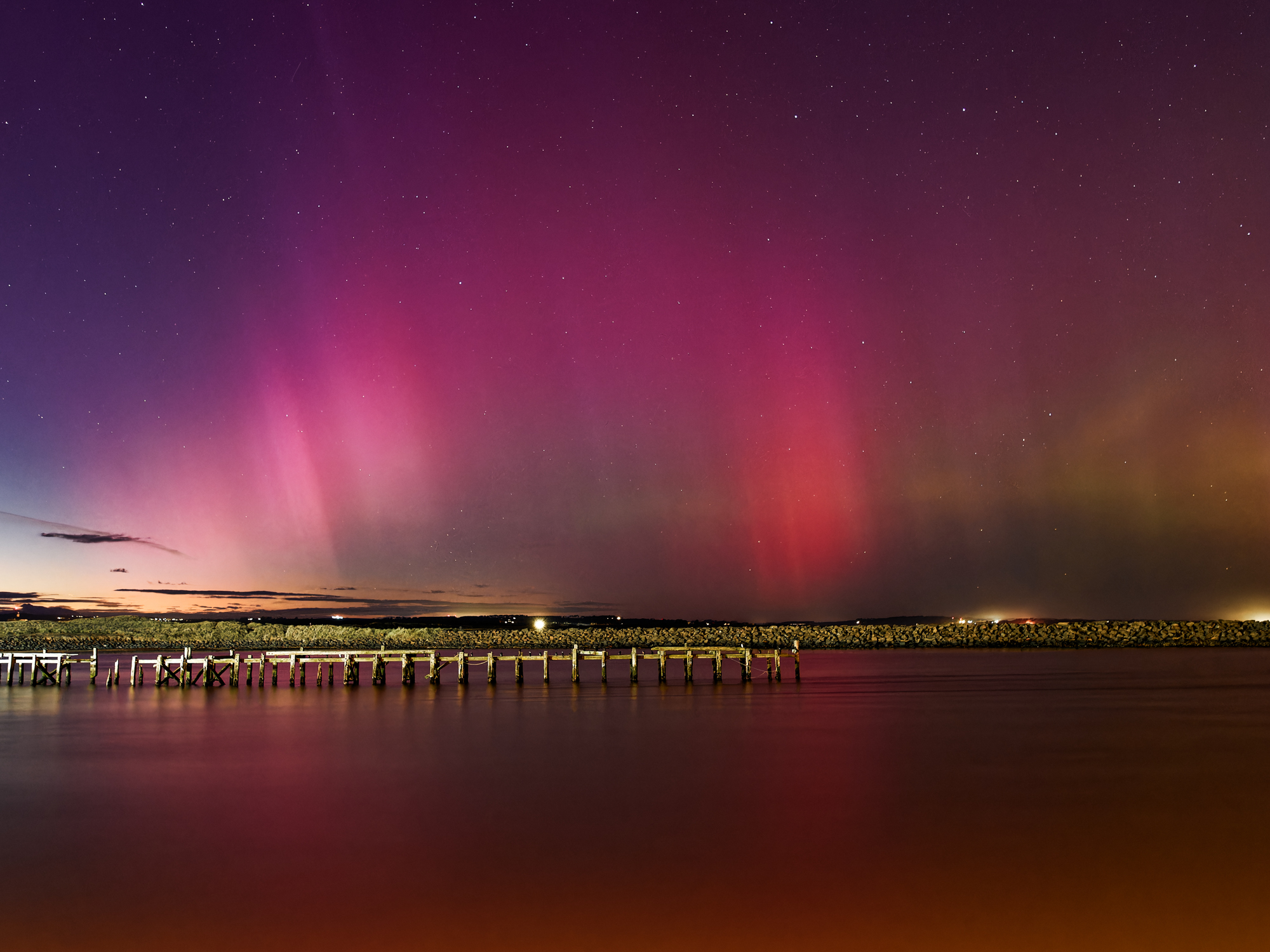
Your Autumn Light Photography Course: five practical lessons
1. Autumn Landscapes: Colour, Light and Composition: Friday 2nd October 2026 10:00 am
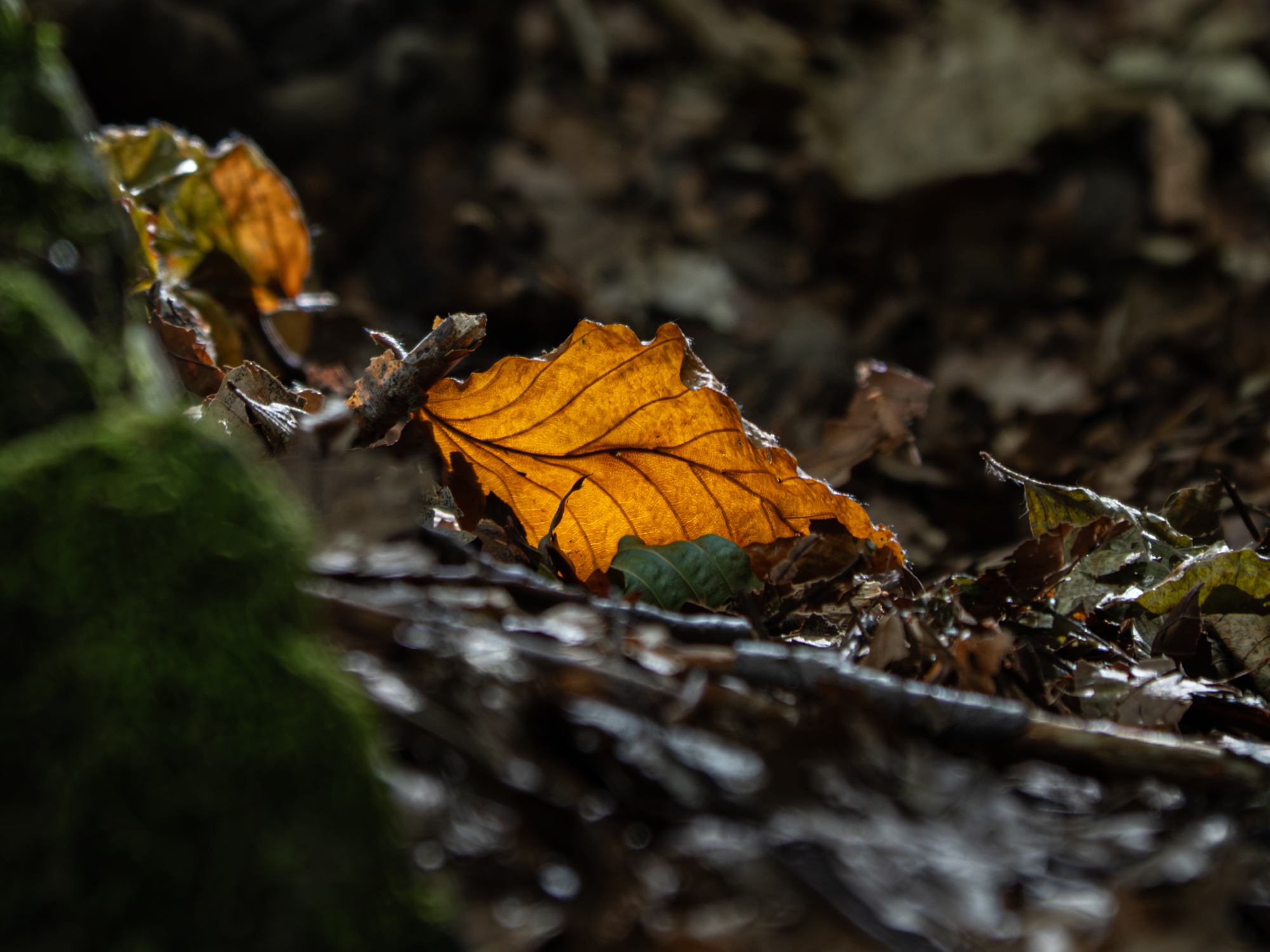
We will begin by looking at how autumn changes the landscape. You will learn to recognise useful light, simplify a busy scene, use foreground interest and create photographs with depth and atmosphere. In this workshop, we will also cover exposure, depth of field, polarising filters, and how to make the most of woodland and coastal colours. A Circular Polarising (CPL) Filter is recommended for this workshop.
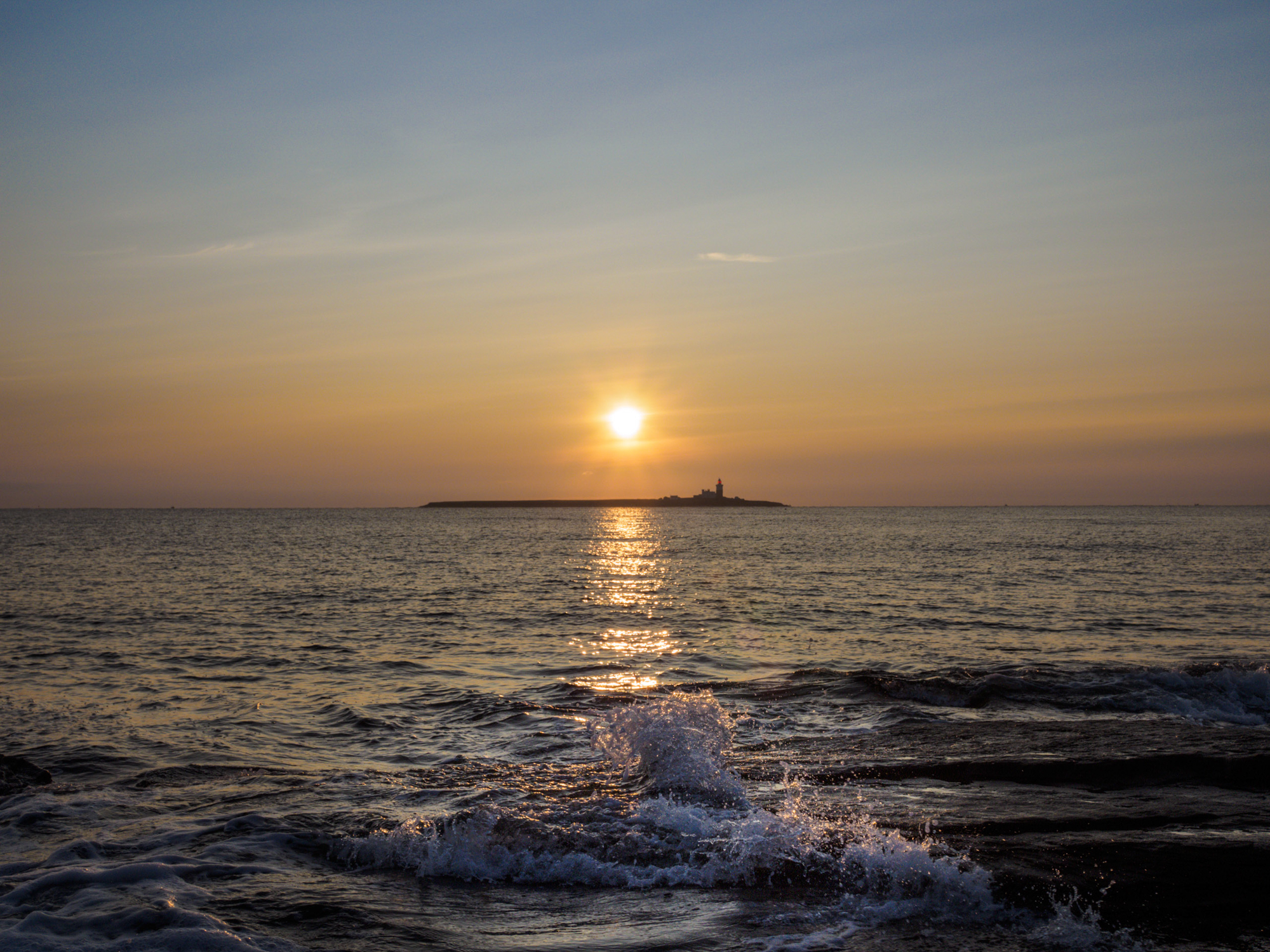
2. Seascapes: Tide, Movement and Mood. Friday 9th October 2026 10:00 am
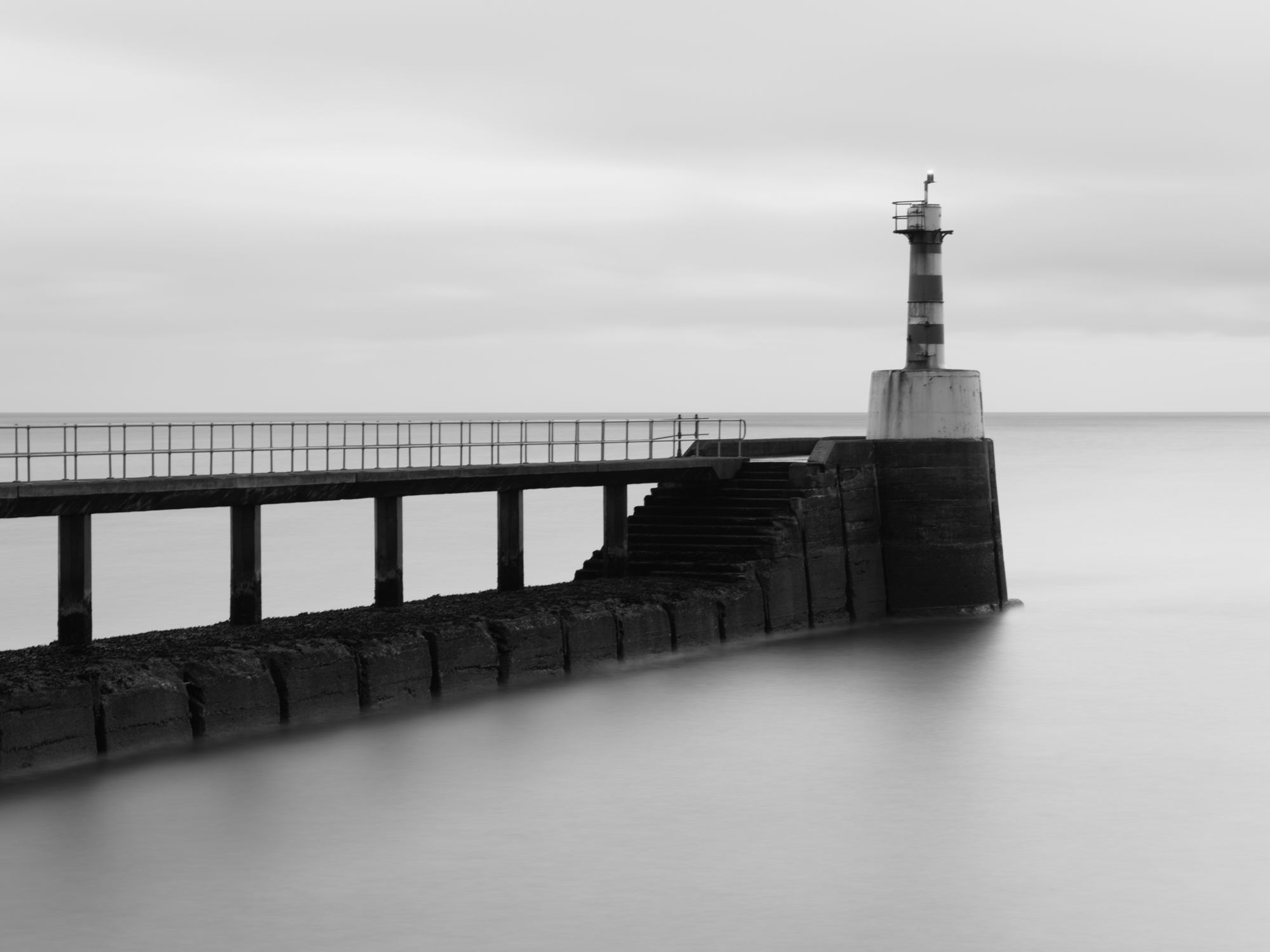
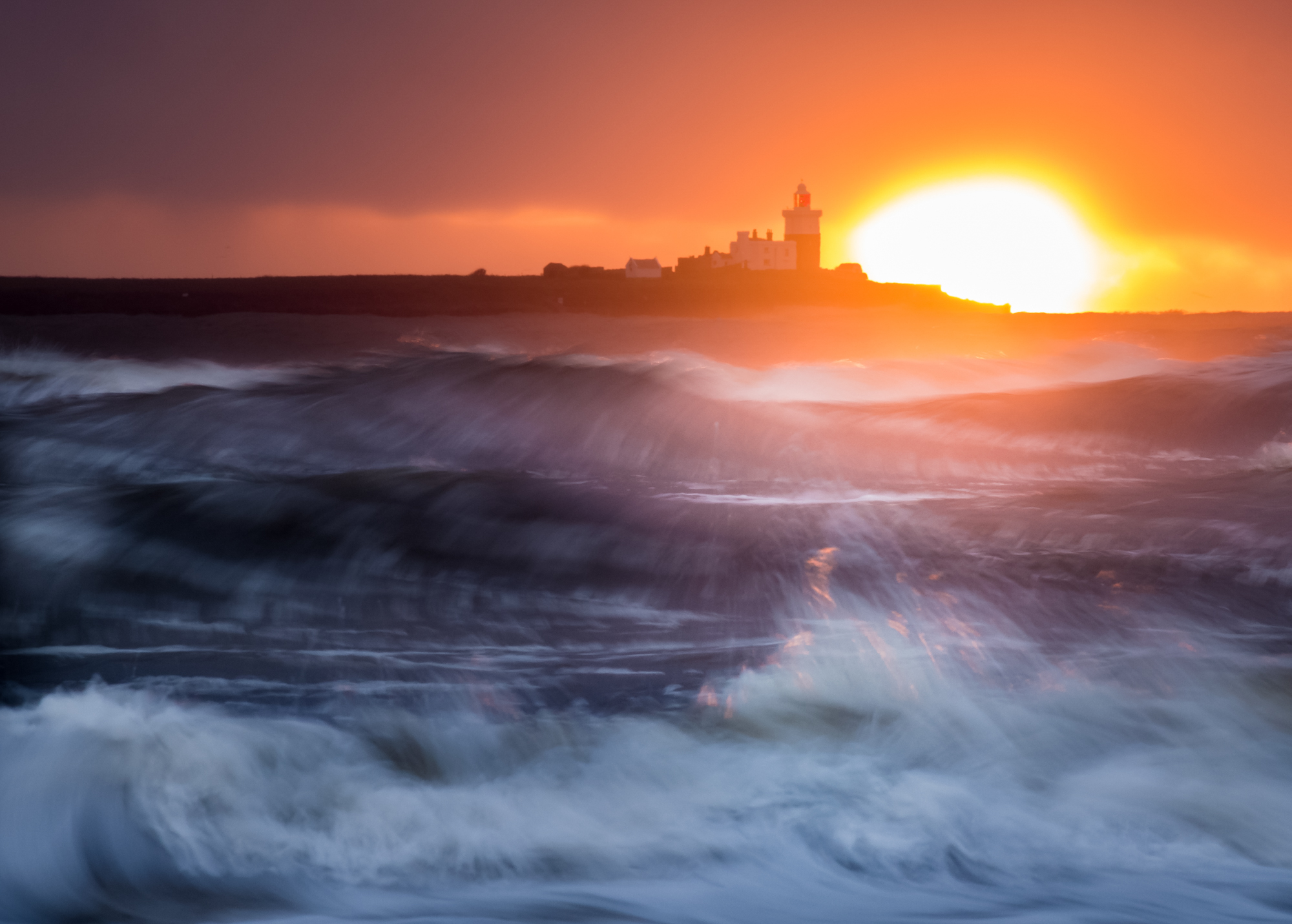
Northumberland’s coast offers a wonderful variety of photographic possibilities in autumn. This session will explore timing, tidal conditions and using moving water creatively. You will practise choosing shutter speeds for natural-looking waves, soft water and long-exposure effects. At the same time, you will be learning how to build a compelling coastal composition safely.
An ND1000 and an ND8 filter are useful for this workshop, but they are not essential. You will need a tripod. If you don’t have one, please let me know. I have a couple of spares I can lend for the workshop on a first-come, first-served basis.
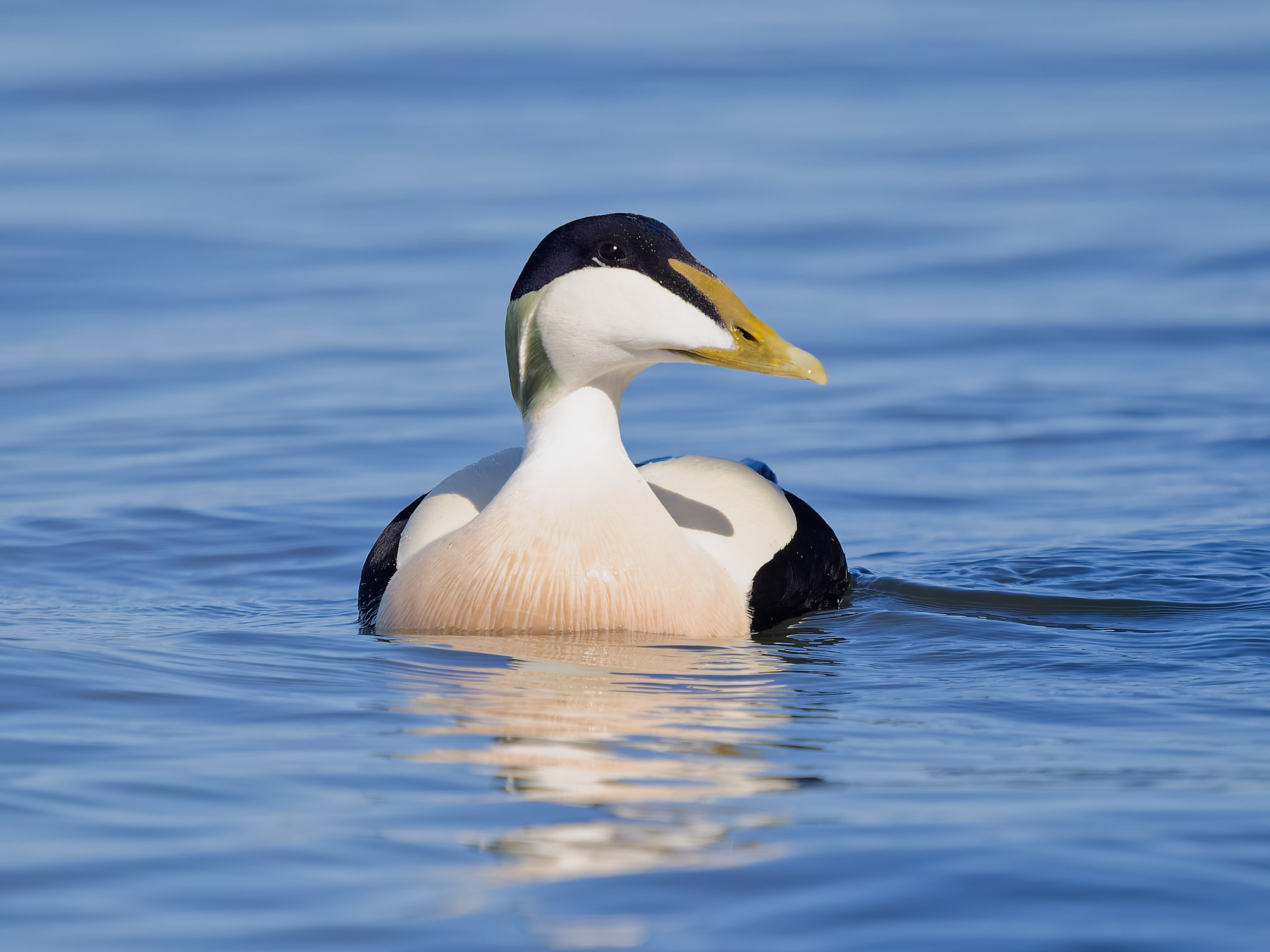
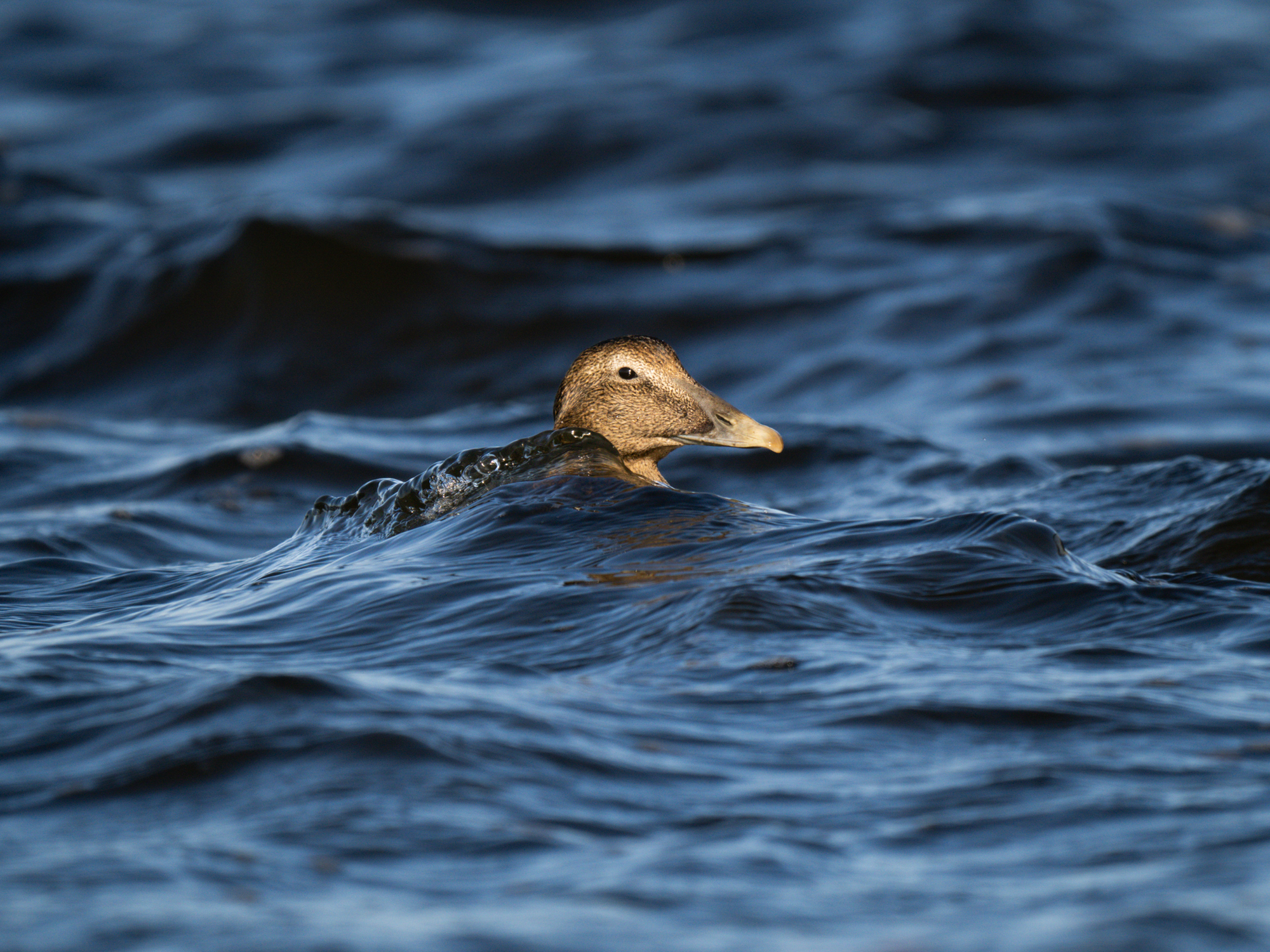
3. Beach Wildlife Photography: Light, Behaviour and Fieldcraft. Friday 16th October 2026 3:00 pm
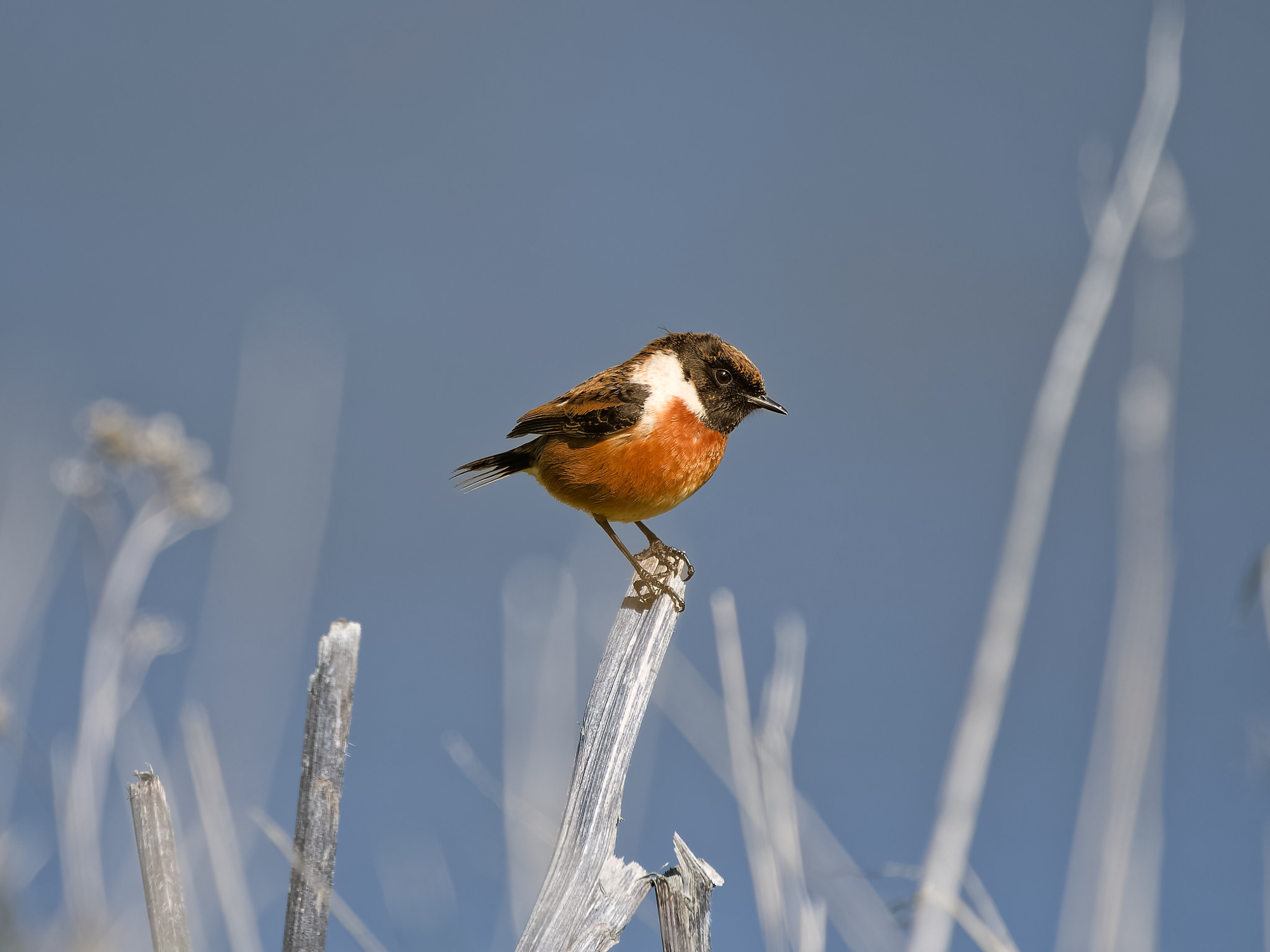
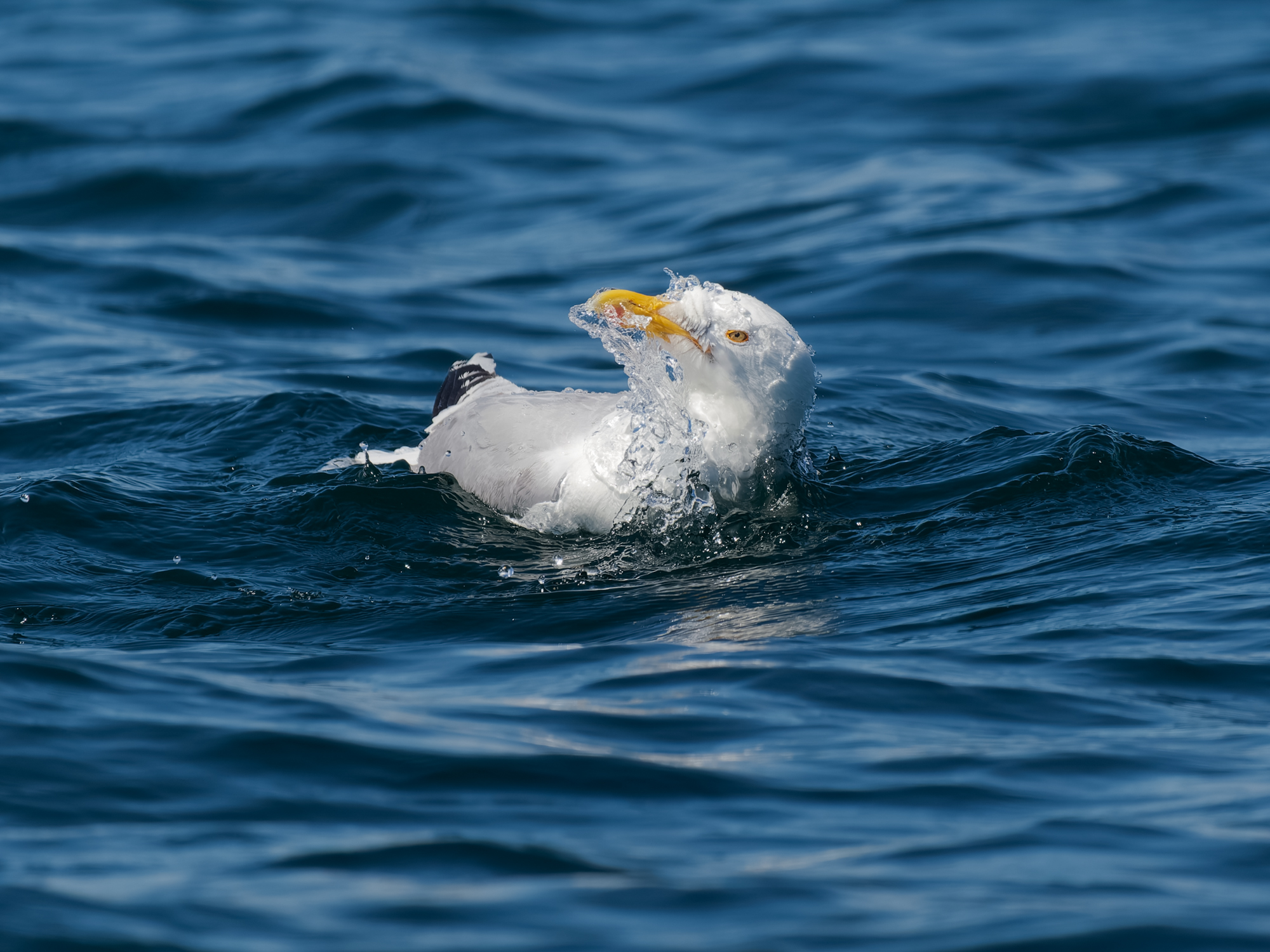
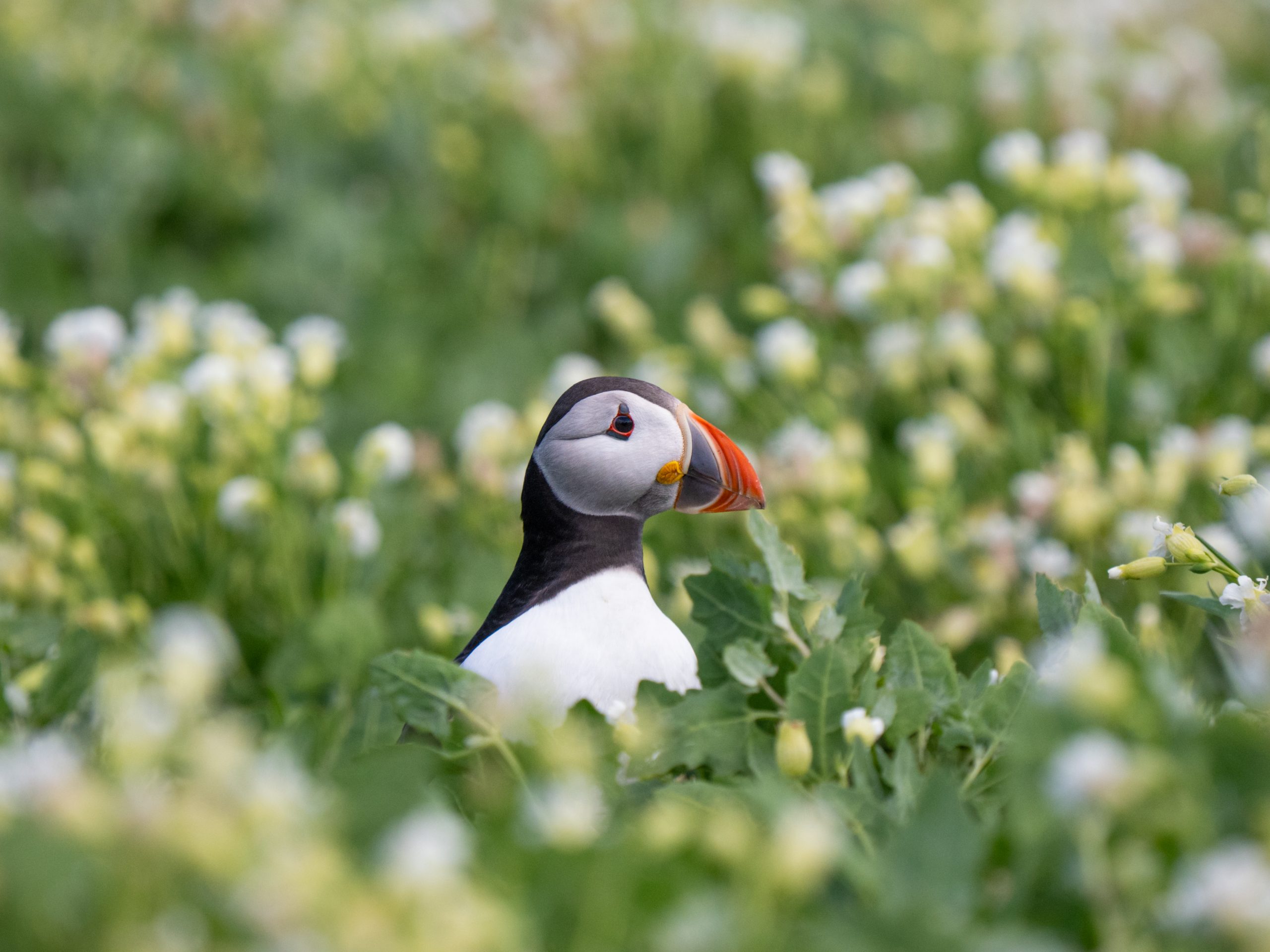
Autumn offers excellent opportunities to photograph mainly coastal birds. You will learn how to work patiently and ethically, choose effective camera settings, focus accurately and make the most of backgrounds and directional light. The emphasis will be on observing behaviour and capturing natural images without disturbing your subject. Ideally, you need a long lens for this session.
There is a break to allow for school half-term holidays.
4. Sunrise Shoot: Photographing the First Light of the Day. Friday 7th November 2026 7:00 am
A sunrise is more than a colourful sky. This early-morning session will show you how to plan, arrive prepared and respond to rapidly changing conditions. You will also find out why sunrise can be especially rewarding for photography.
You will learn how to expose for colour and detail, use silhouettes and reflections, and continue making worthwhile photographs once the sun has risen.
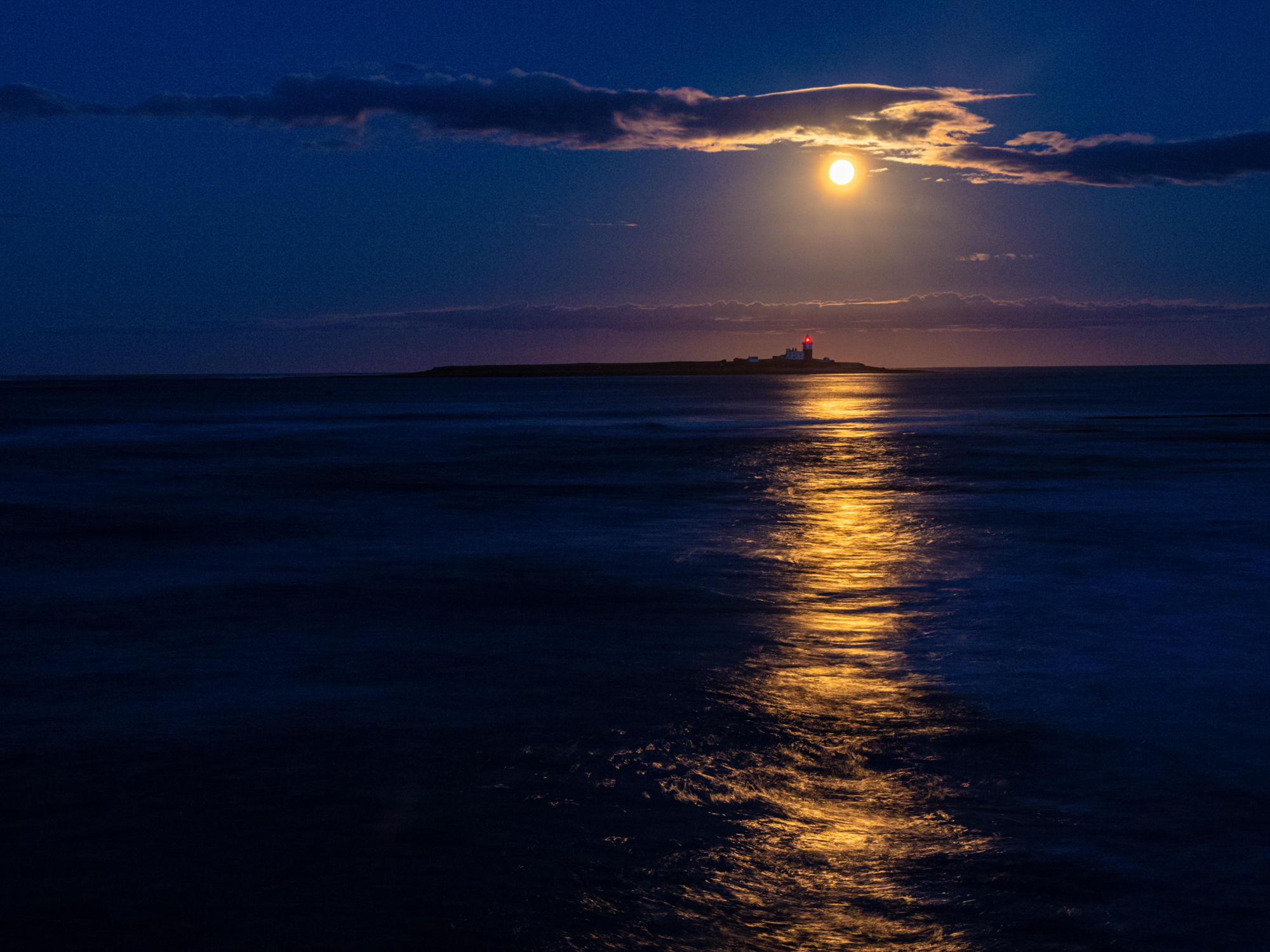
5. Night Photography: From Blue Hour to Darkness. Friday 14th November 2026 8:00 pm
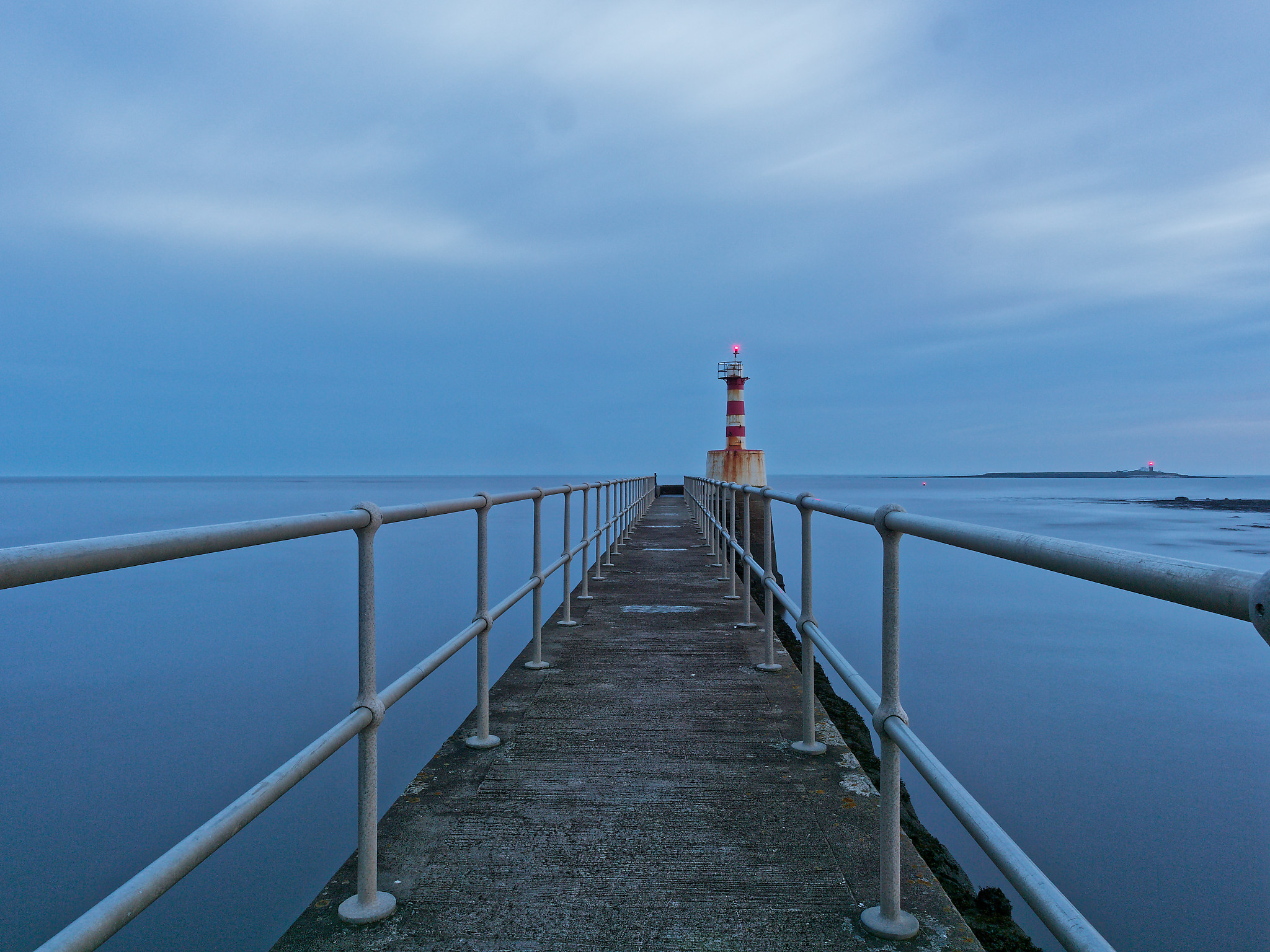
In the final session, we will work as daylight fades and darkness falls. You will learn how to keep the camera stable, focus in low light, judge exposure manually and create long-exposure photographs. Depending on conditions and location, this may include light trails, moonlit scenes or simple night-sky photography. You will need a headtorch, preferably one that emits a red light.
Who is this course for?
This course is for photographers who have moved beyond automatic mode and want to improve their outdoor photography. You don’t need to be an expert, but you should be able to adjust aperture, shutter speed, and ISO, and know how to focus your camera at different points.
What Equipment Do You Need?
Mirrorless and DSLR cameras are both suitable.
Most sessions require a standard kit lens or a wide-angle lens, although the wildlife session is much better with a long telephoto lens.
A tripod is strongly recommended for the seascape, sunrise and night sessions. However, I have a couple I am happy to lend for the relevant workshops.
Ideally, an ND1000, an ND8, and a CPL filter. You get what you pay for with filters, and I use the URTH brand for their environmental and ethical standards.
Clothing to match the weather conditions.
Practical information
Locations will be selected between Goswick, Druridge Bay, and Alnwick, based on the forecast, tide times, autumn colour, and wildlife opportunities.
Meeting points and final locations will be confirmed closer to the time and after booking, allowing the course to make the best use of weather forecasts, tide times, autumn colour, and seasonal wildlife opportunities. If weather conditions make a session unsafe or impracticable, I will arrange a replacement group date.
Some locations may involve uneven ground, sand, rocks, or walks up to two miles, so bring suitable footwear and warm, waterproof clothing.
On the beach, you will be sitting. Therefore, bring a sit mat or a low folding chair.
Please bring your camera, fully charged batteries, empty memory cards and a tripod. A telephoto lens is useful for wildlife, while a wide-angle or standard zoom is useful for landscape and seascape photography.
Five 1½-hour practical sessions
The course will run with a minimum of four and a maximum of six participants.
Standard price: £279 per person
Early-booking price: £249 per person when booked by 24 September 2026.
I expect this to be fully booked, so booking early is advisable. If you would like to do this course but the dates don’t suit, or you are only interested in one session, please get in touch with me, and I’ll try to arrange a similar course or standalone workshop to suit you.
Please ensure that you have adequate insurance that covers your booking. Some home and travel policies may cover you. If you cancel, I can only offer refunds of up to 50% if I manage to fill the vacant slot. If I need to cancel a workshop due to ill health or poor weather, I will offer an alternative date.
| Basic Courses | Pre-scheduled small group courses, Individual one-to-one training, One-day Individual, One-day 2 people, One-day 3 people, One-day 4 people, One day 5 people |
|---|
Related products
-
Camera Skills and Creativity for GCSE and A-Level Photography Students. 5 lessons
Price range: £245.00 through £450.00 -
Gift Certificate for 3 Workshops
£192.00

Reviews
There are no reviews yet.