Wildlife training at a glance
- Main subjects: birds, coastal birds, seabirds, wildlife and macro photography
- Highlight: Farne Islands wildlife photography expeditions
- Locations: Amble, the Northumberland coast, Hauxley, Druridge Bay, Warkworth and other suitable locations
- Formats: one-to-one tuition and small-group workshops
- Suitable for: beginners to experienced photographers
- Camera brands: Canon, Nikon, Sony, Fujifilm, Panasonic and OM System/Olympus
- Dates: arranged to suit you and the best seasonal wildlife opportunities
Northumberland Wildlife Photography Training
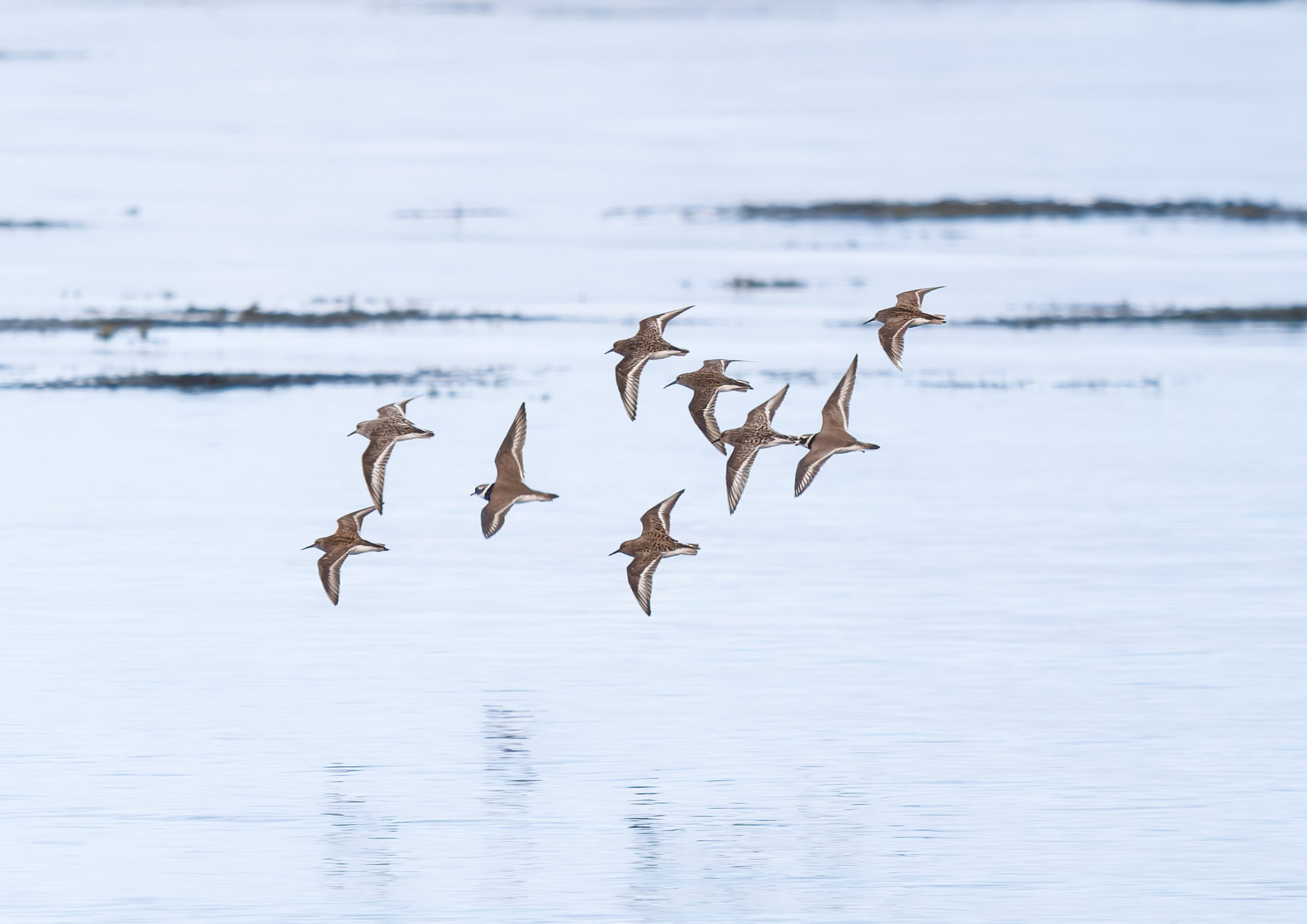
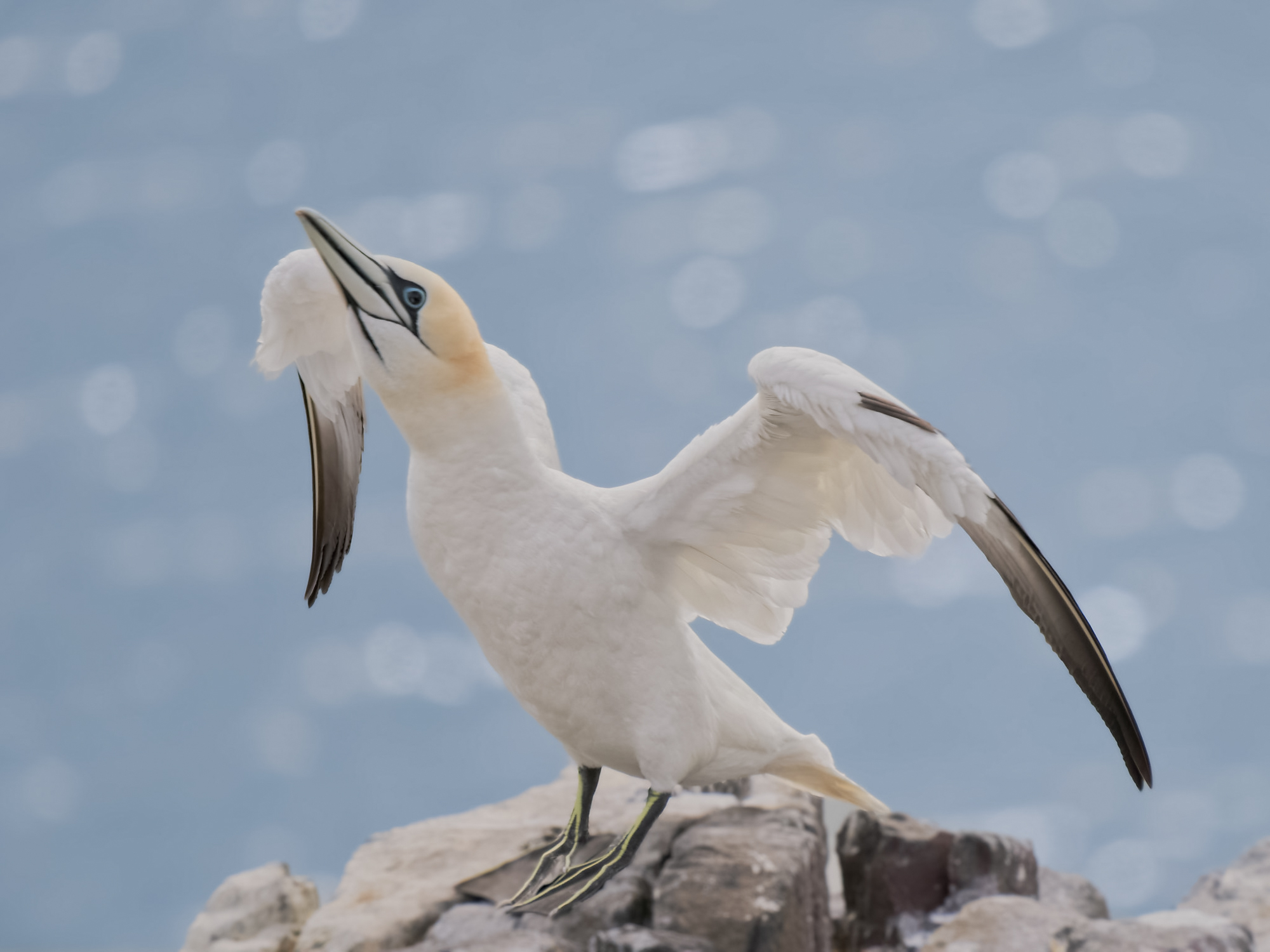
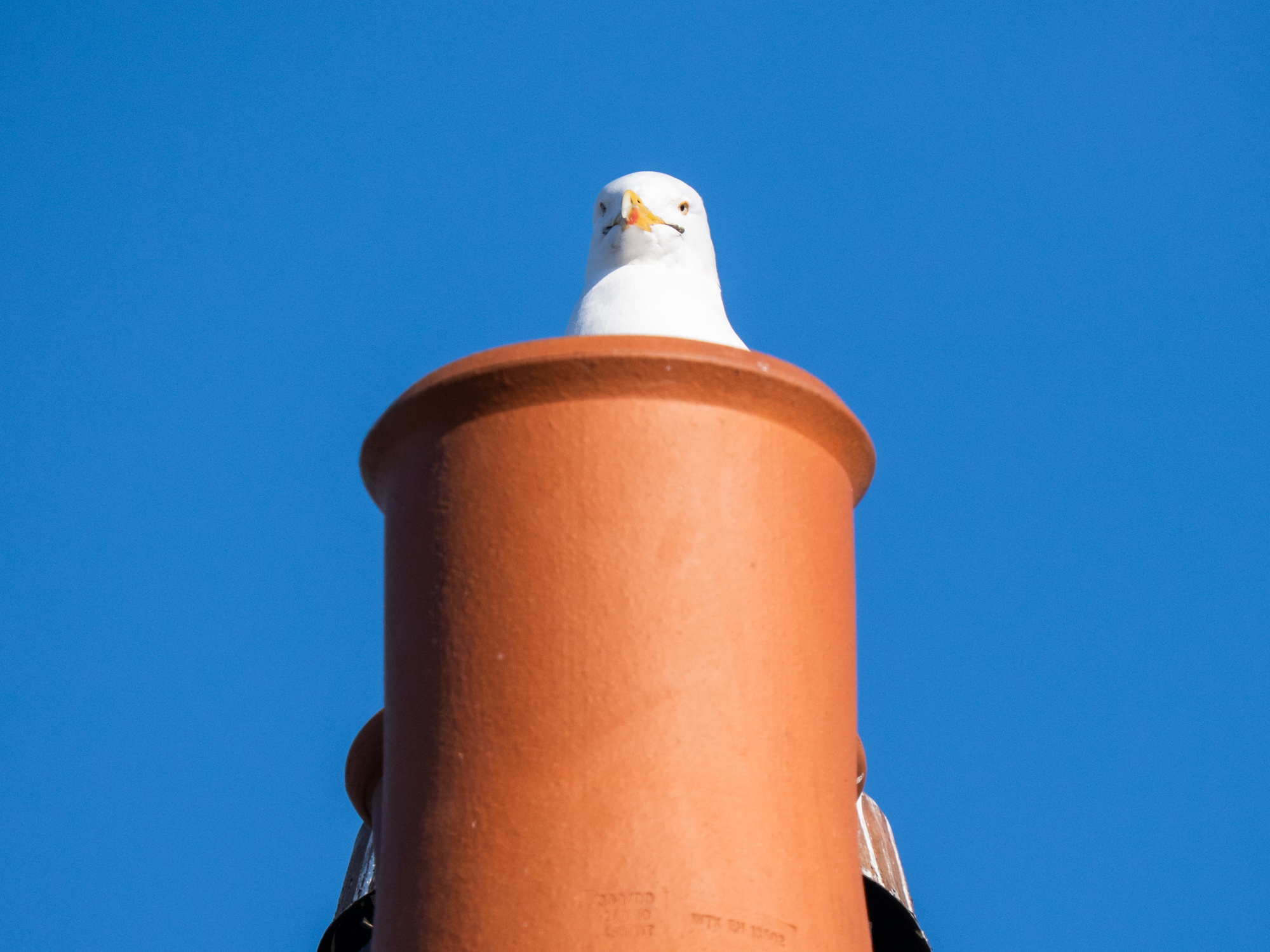
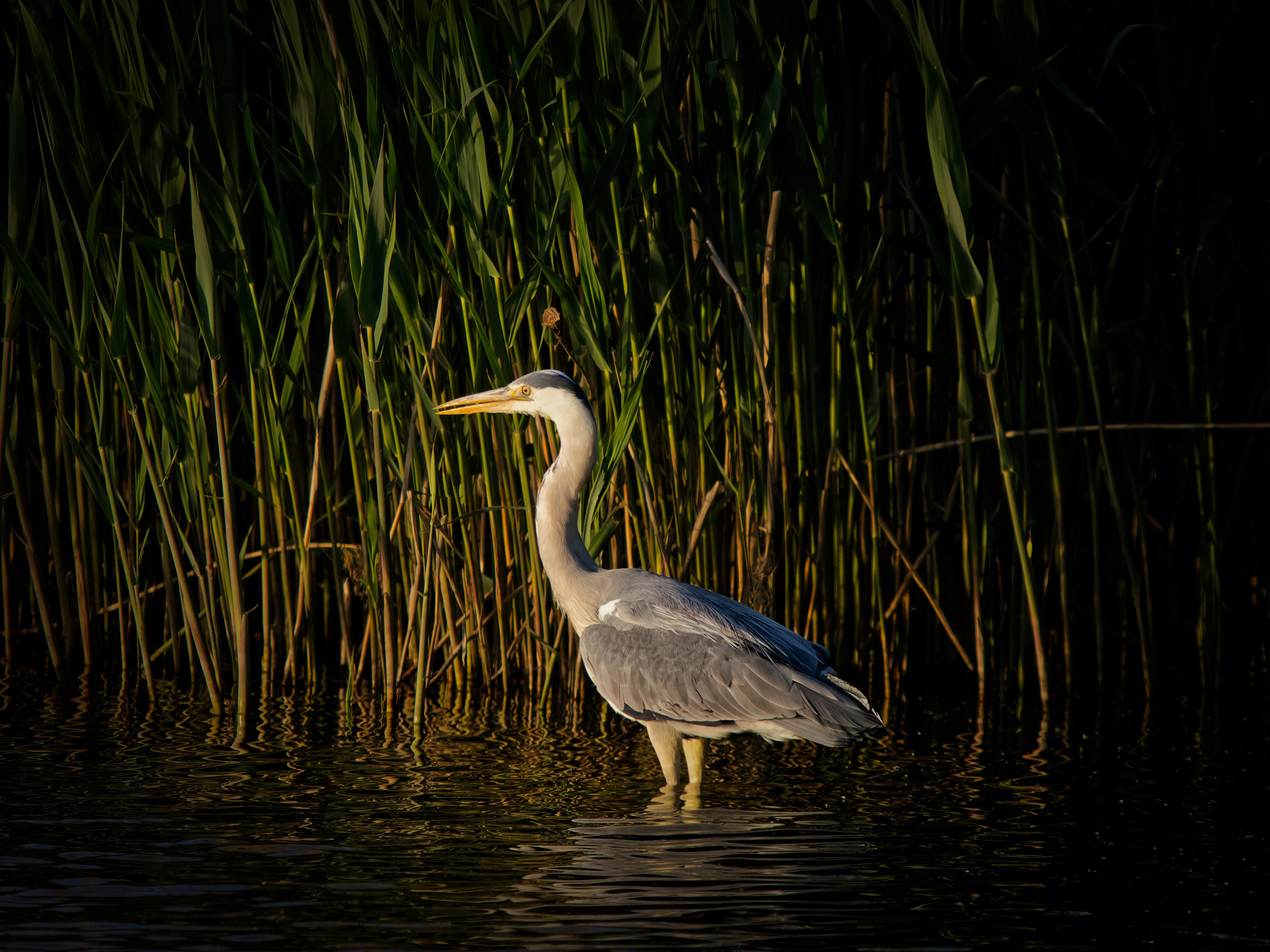
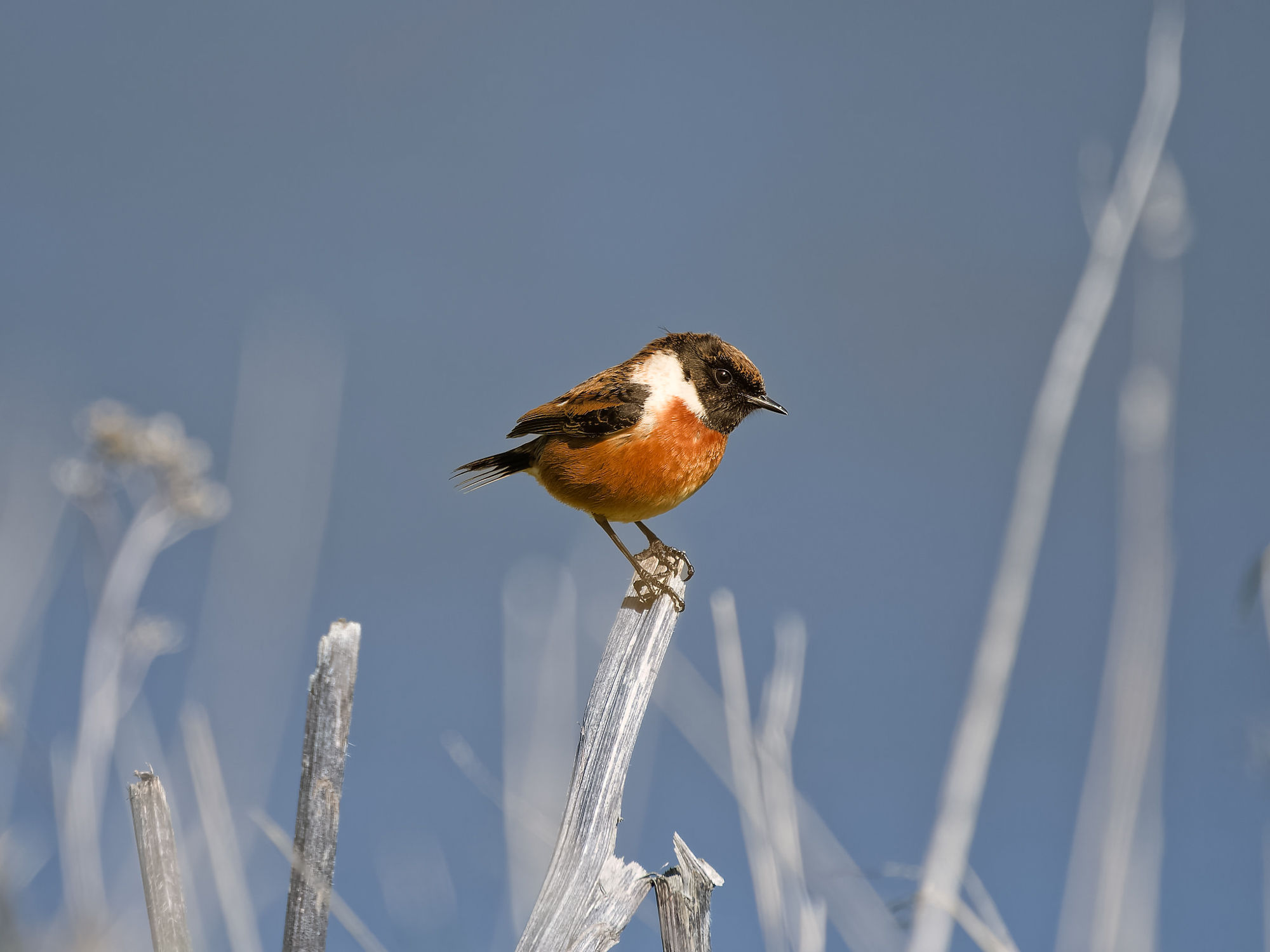
Ivor Rackham provides wildlife photography training and workshops across Northumberland, with a particular focus on birds, coastal birds and the changing wildlife of the Northumberland coast. Training is available for complete beginners, experienced photographers and anyone who wants to improve their wildlife photographs in an ethical, practical way.
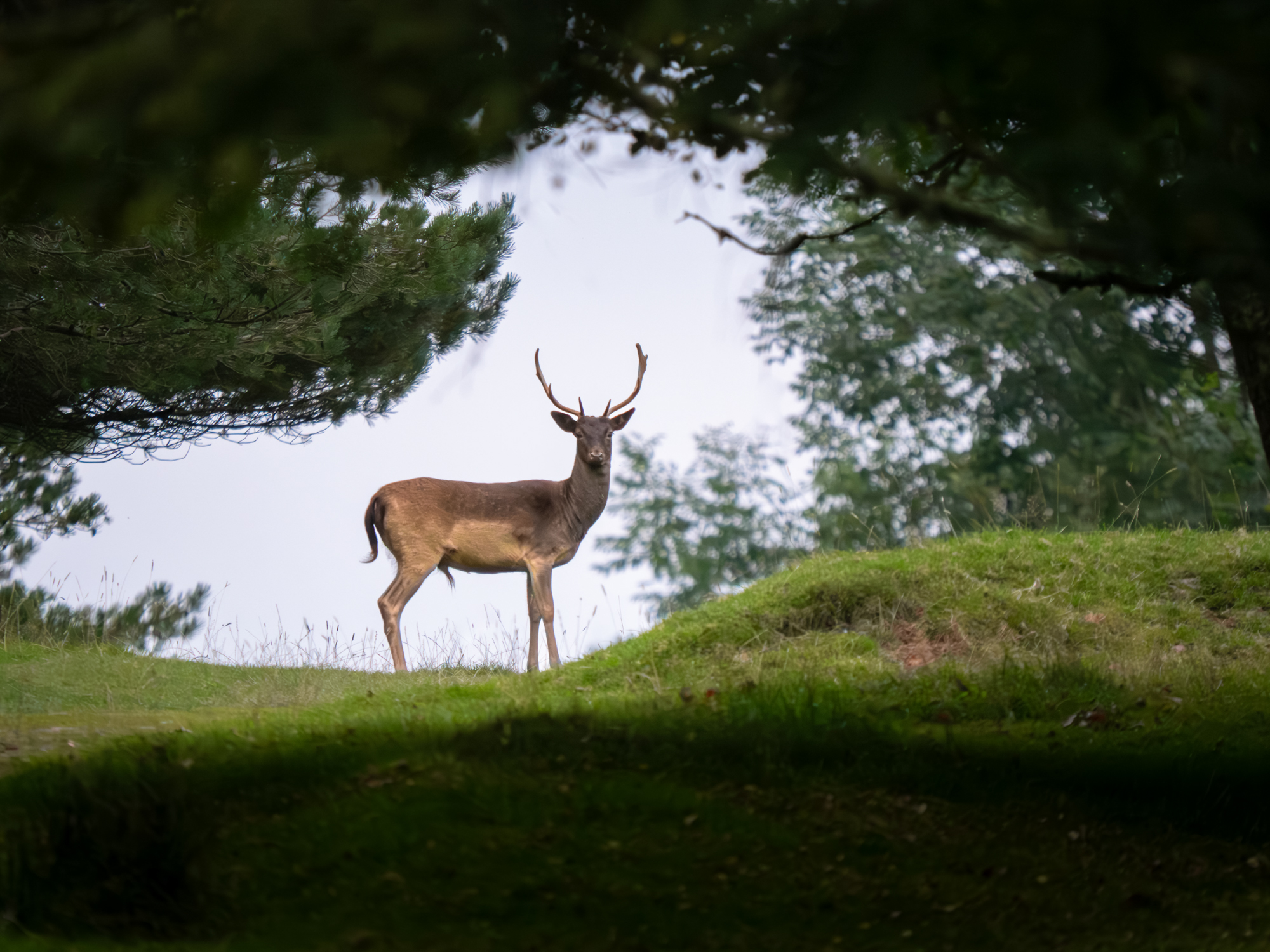
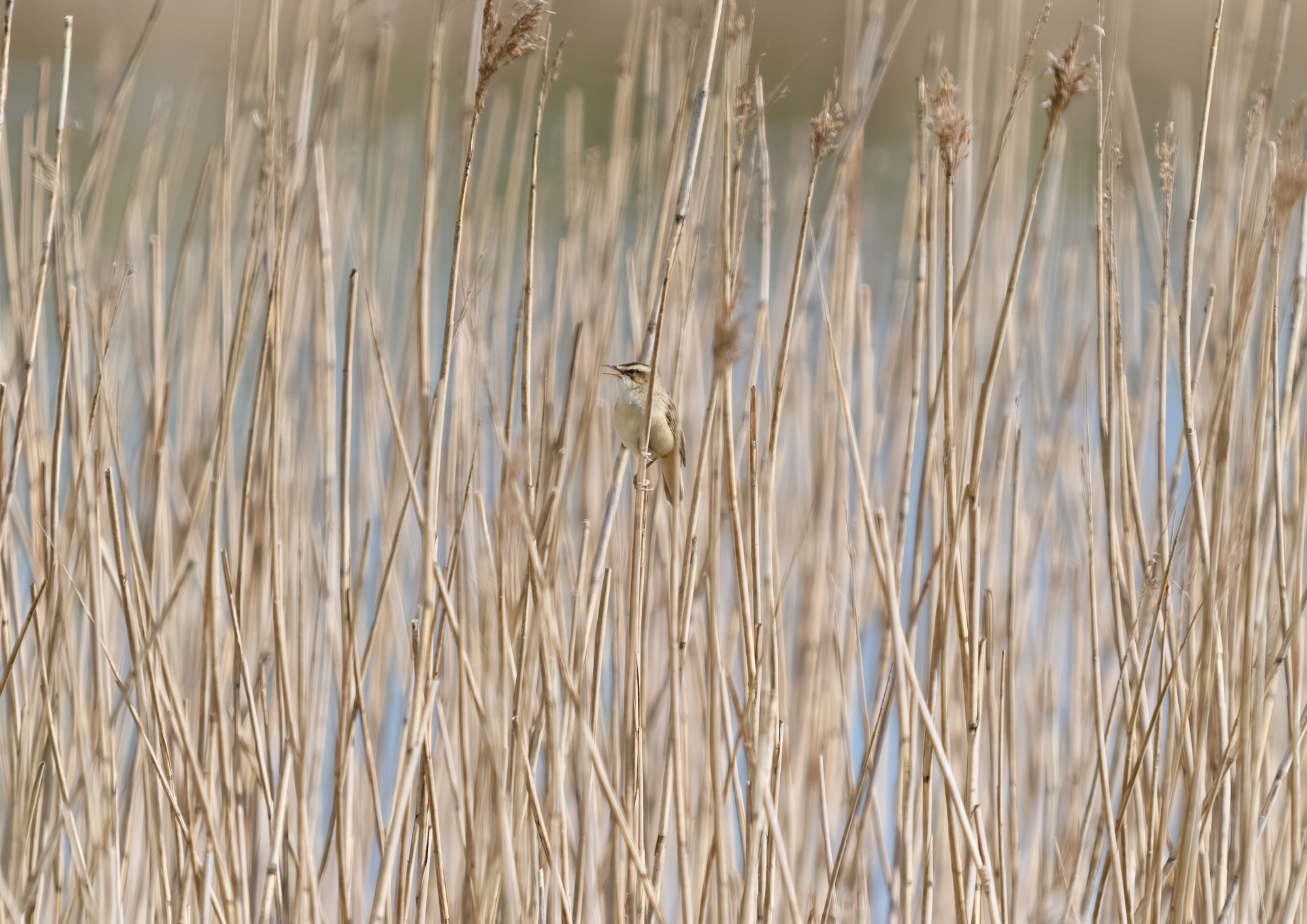
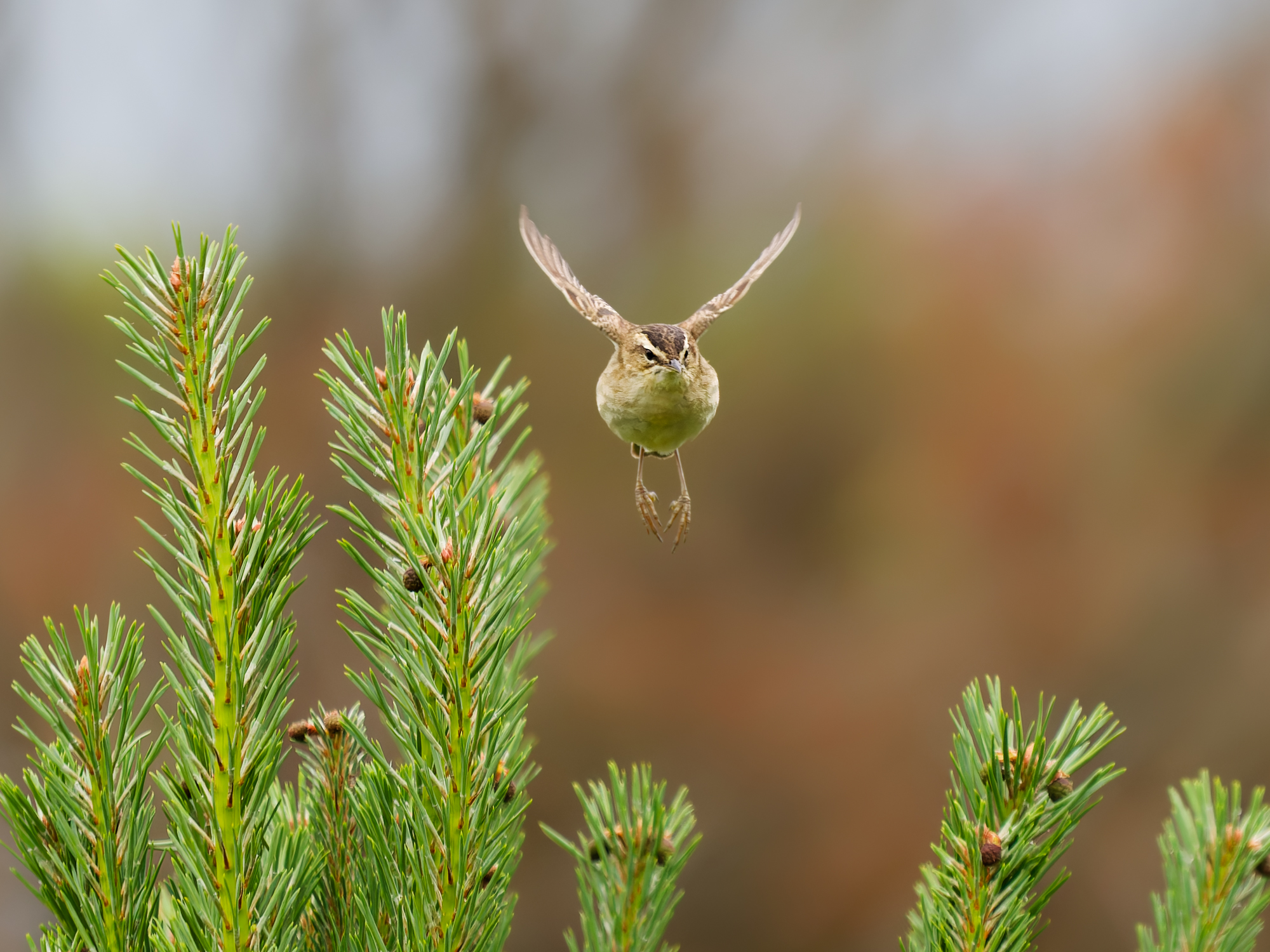
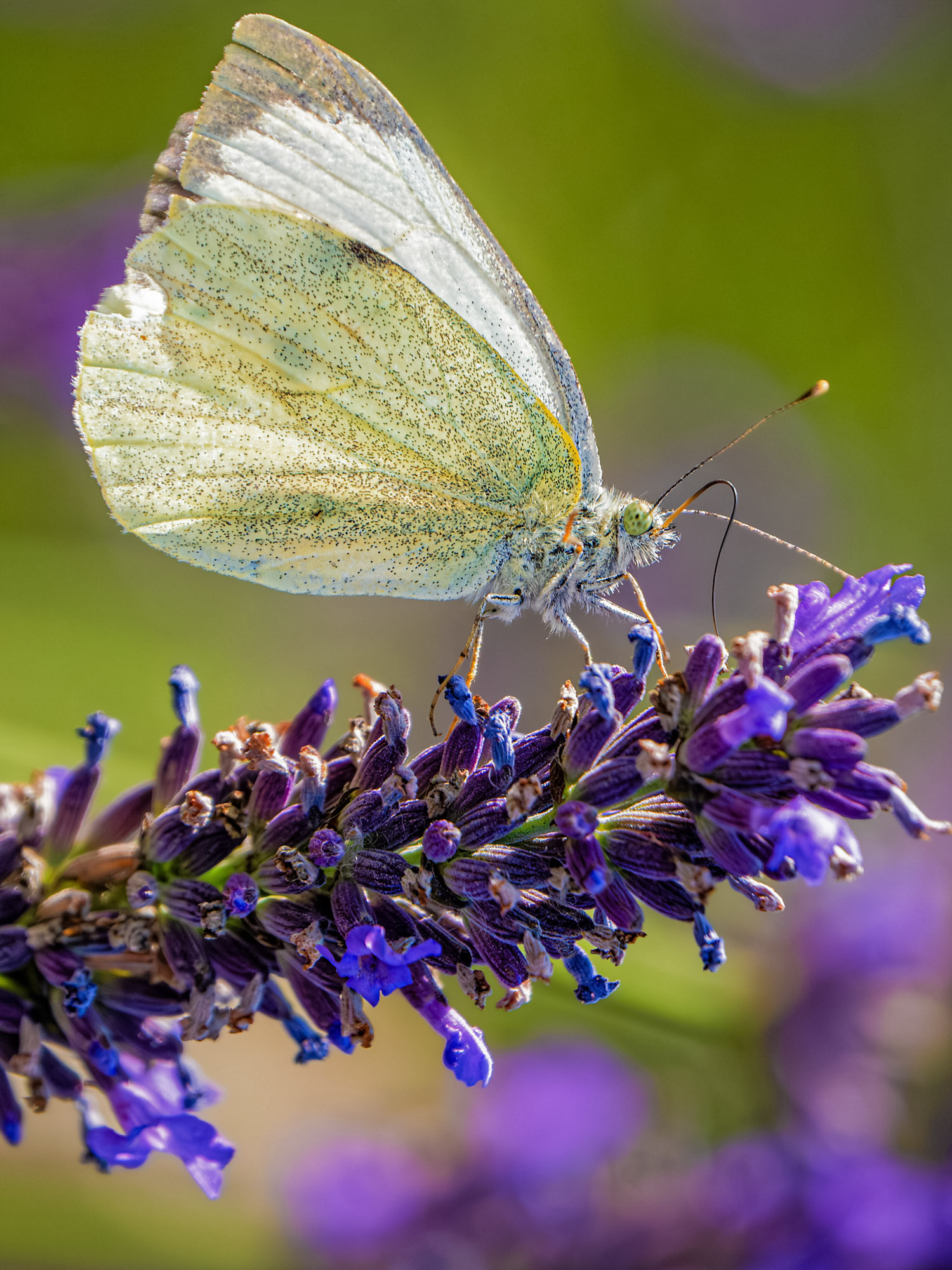
Most sessions concentrate on photographing birds in their natural environment, from coastal seabirds and waders to garden, woodland and wetland species. You can also arrange training for other wildlife subjects, including macro photography of insects, spiders and other arachnids.
Wildlife photography without disturbing wildlife
Good wildlife photography starts with respect for the animal. Ivor’s training teaches you how to observe, approach and photograph wildlife without causing unnecessary disturbance. You will learn how to read the scene, keep a sensible distance, use the right lens, avoid blocking feeding or nesting areas, and recognise when it is better not to take the photograph.
The aim is to make stronger, more natural images while allowing birds and animals to behave normally. Ethical fieldcraft is especially important when photographing coastal birds, nesting seabirds and wildlife around sensitive habitats.
Learn to understand light, tide and behaviour
Wildlife photography is not only about camera settings. It is about being in the right place at the right time. Ivor will help you understand how the time of day, direction of light, weather, tidal state and seasonal behaviour affect the photographs you can make.
- Choosing the best time of day for bird and wildlife photography
- Understanding tidal states and how they affect coastal birds and feeding behaviour
- Anticipating flight, feeding, bathing, hunting and interaction behaviours
- Using light, weather and backgrounds to create more powerful wildlife images
- Camera settings for moving birds, wildlife portraits and low-light conditions
- Using long lenses, teleconverters and tripods effectively
- Macro techniques for insects, arachnids and small natural-world details
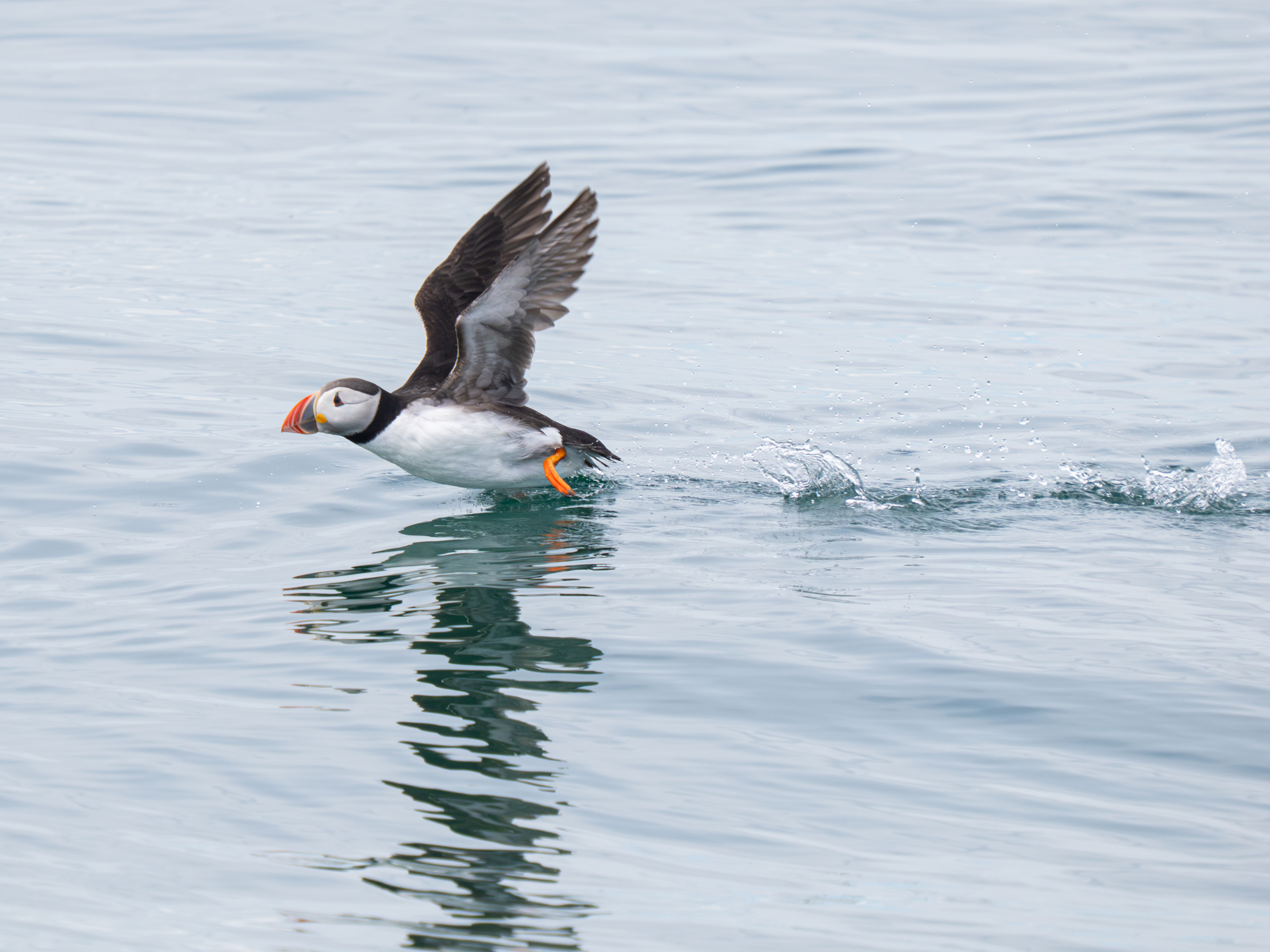
Farne Islands wildlife photography expeditions
The highlight of Ivor’s Northumberland wildlife photography training is his Farne Islands photography expeditions. The islands offer one of the UK’s most memorable opportunities to photograph seabirds and coastal wildlife in a dramatic natural setting.
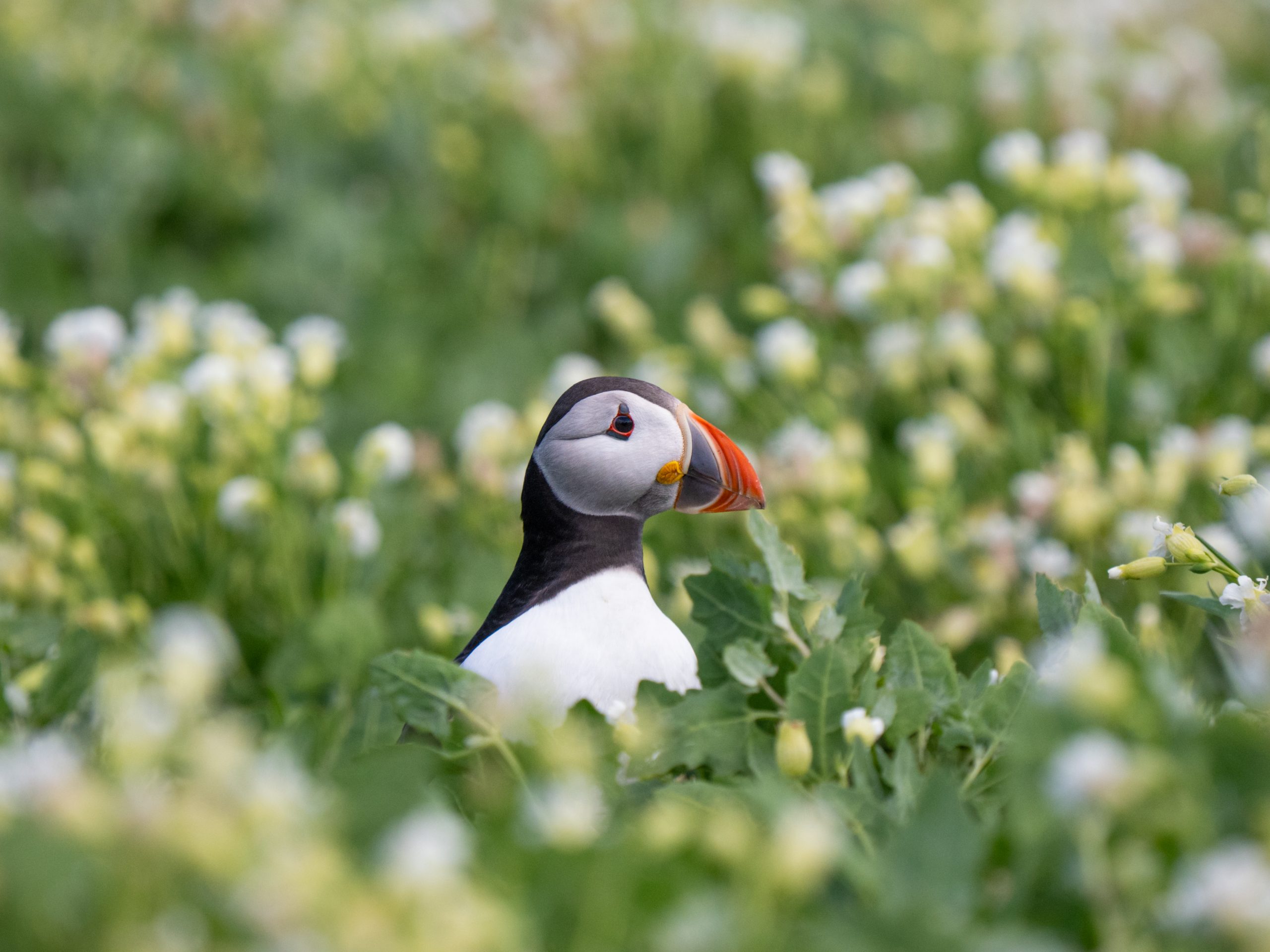
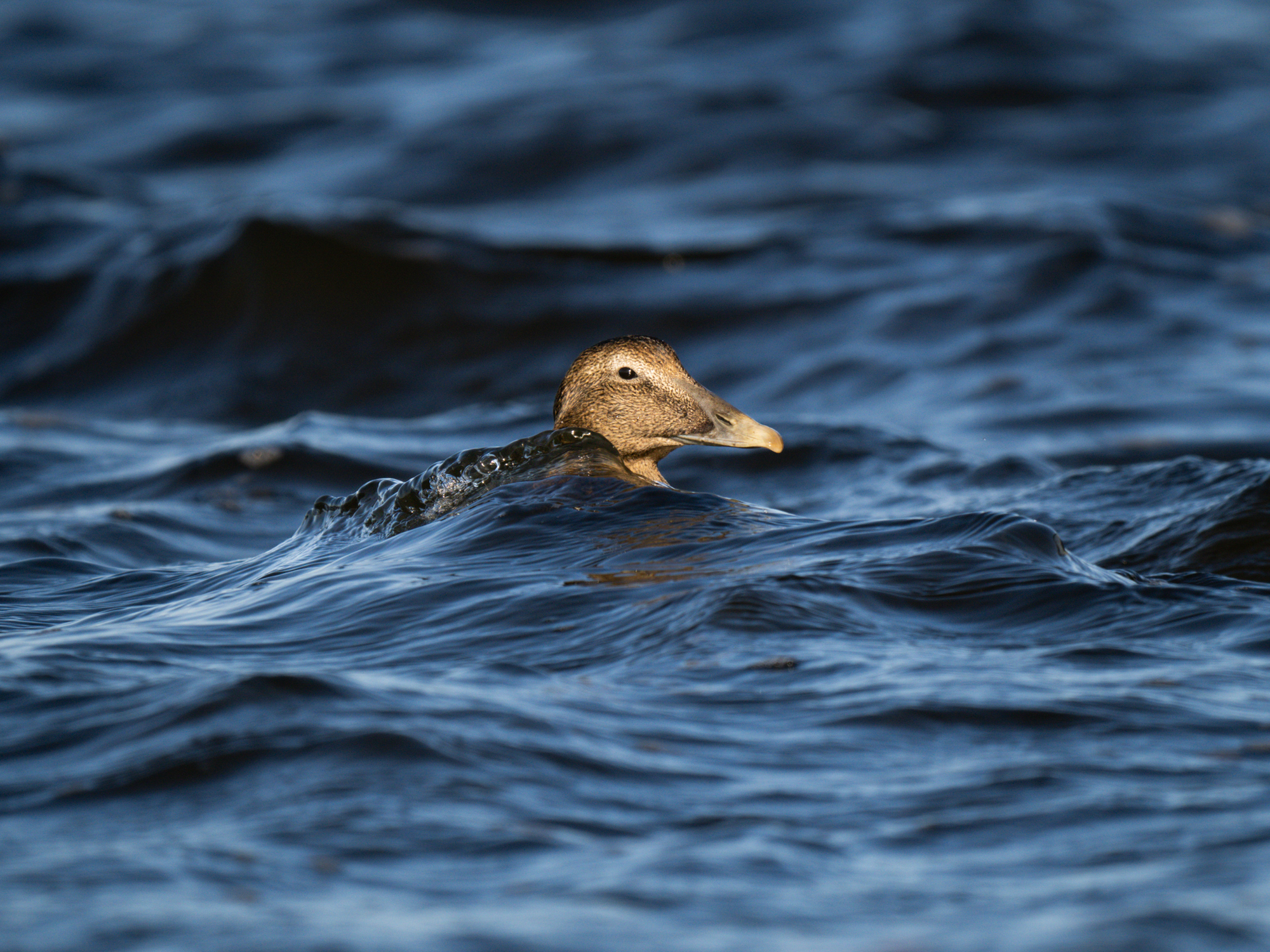
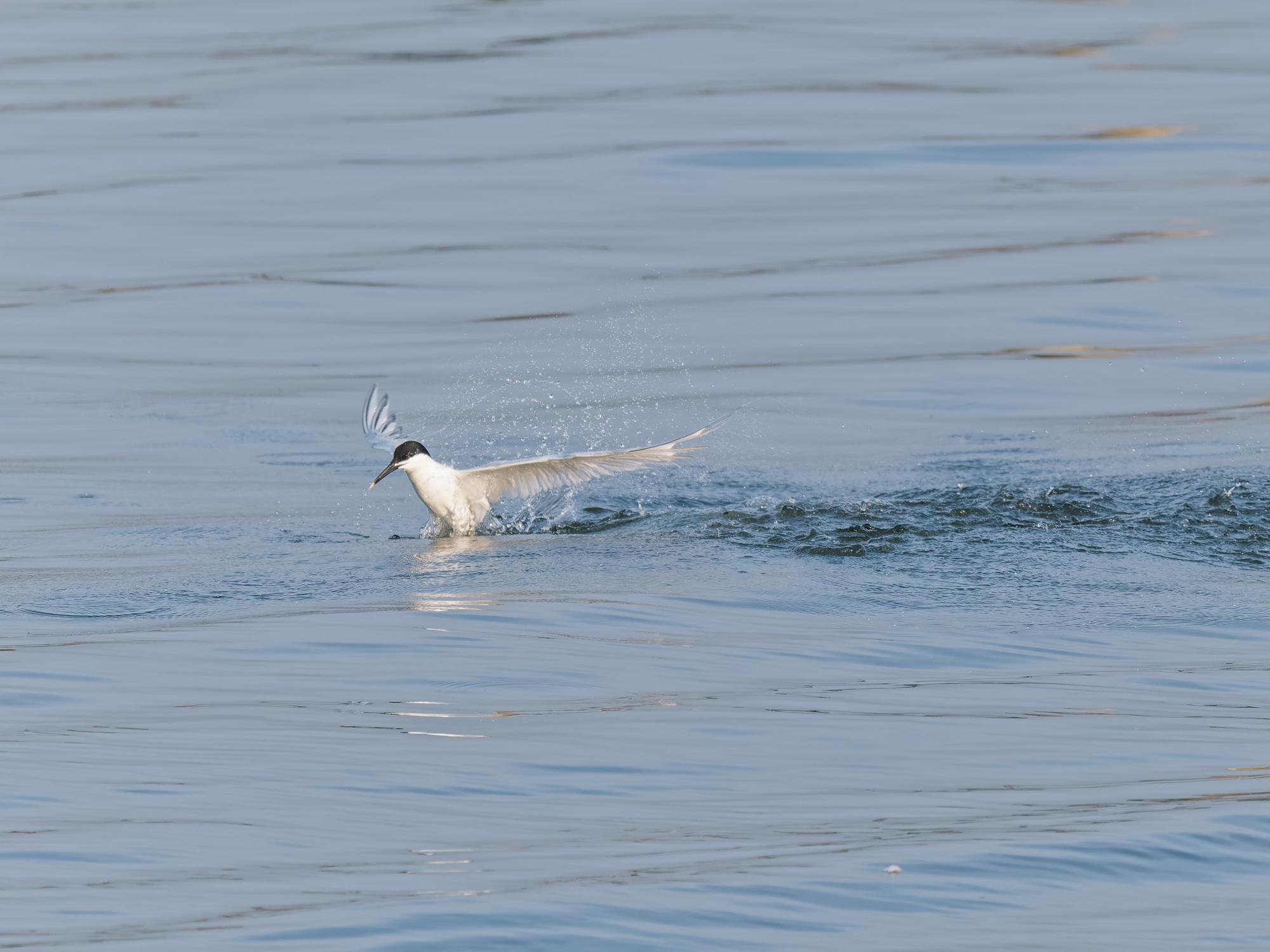
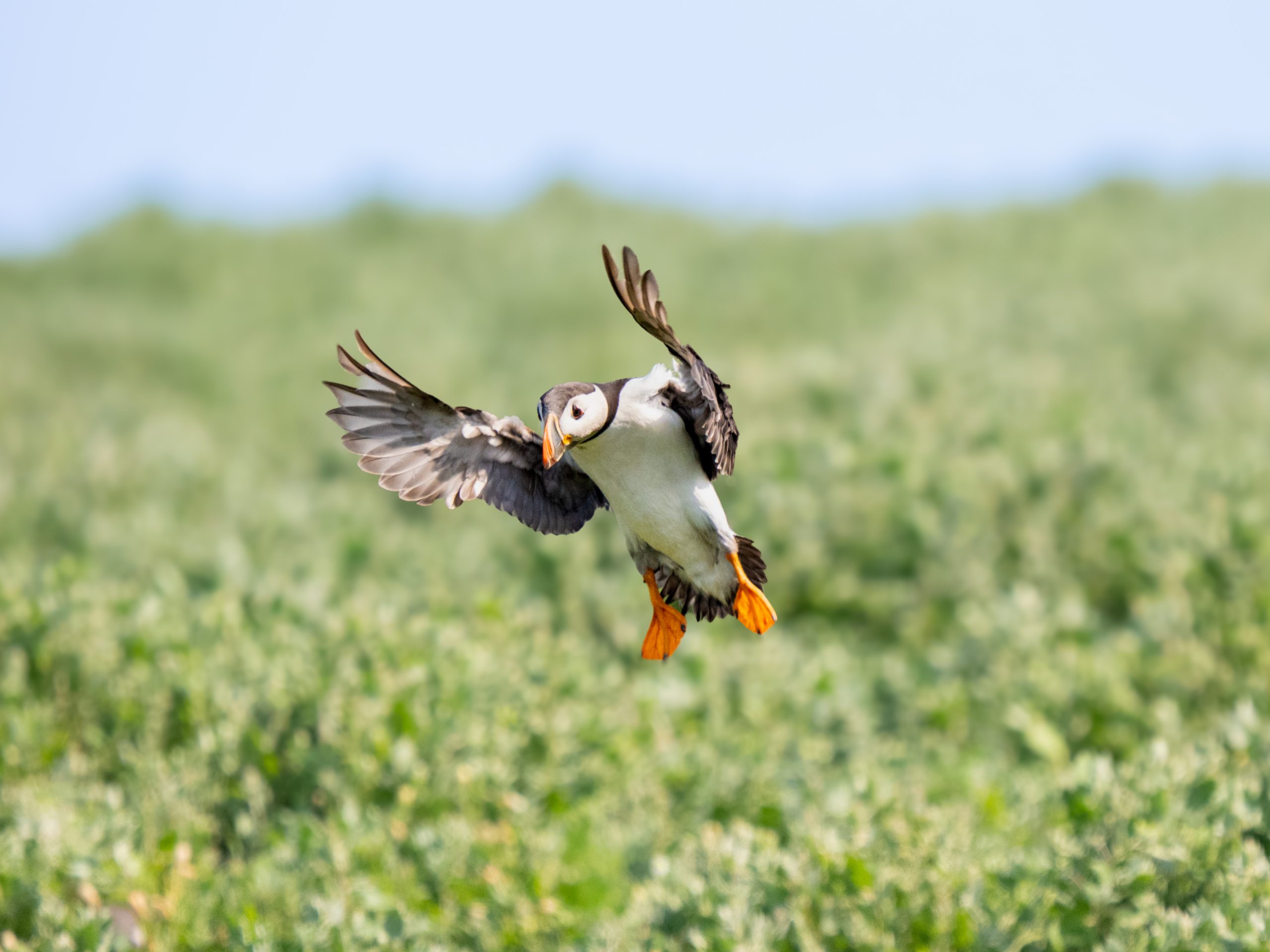
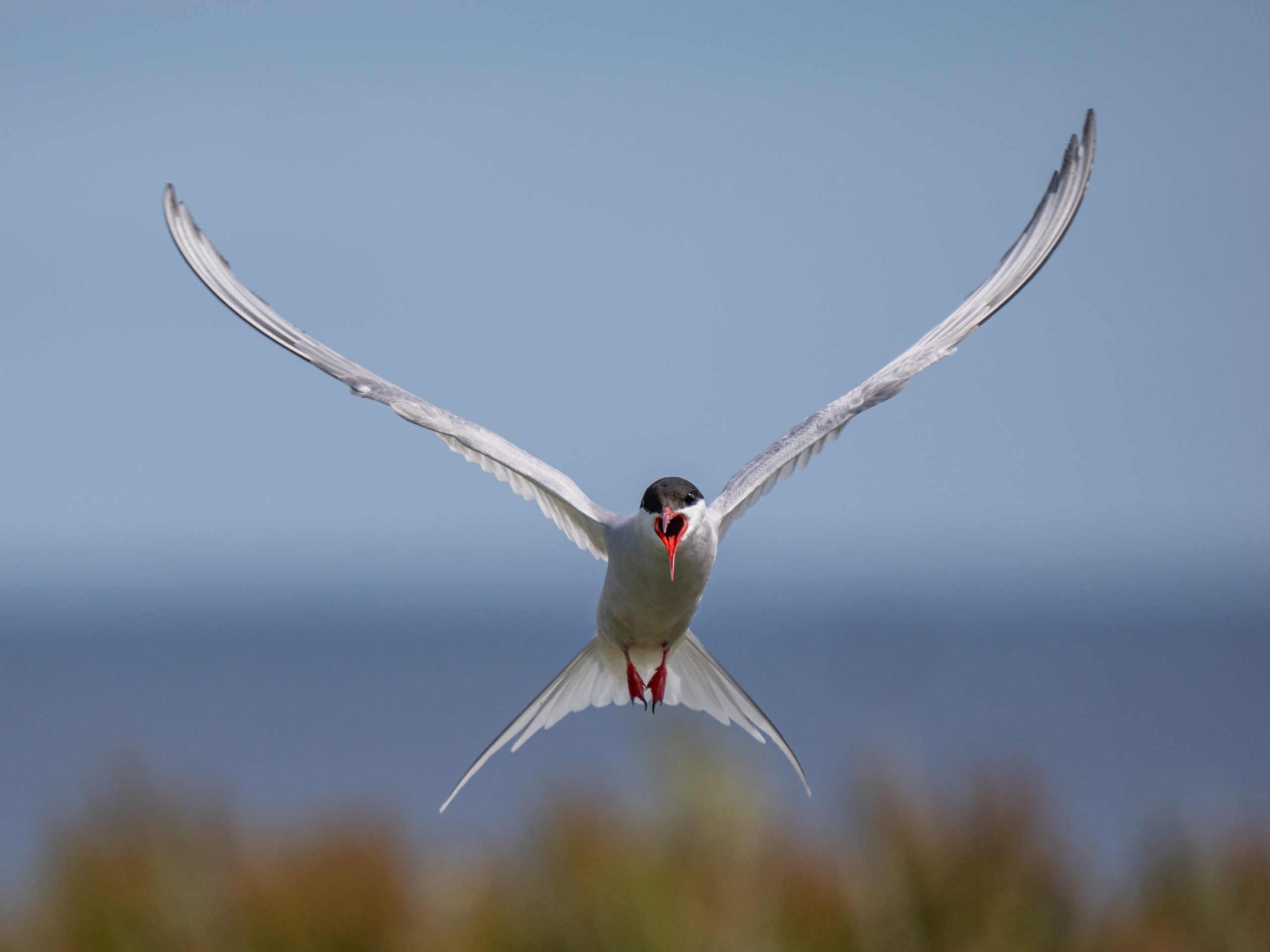
Depending on the season, conditions and access arrangements, Farne Island expeditions can provide opportunities to photograph species such as puffins, terns, guillemots, razorbills, eider ducks and seals. These sessions are designed to help you make the most of the light, bird behaviour and constantly changing conditions while working responsibly around wildlife.
Farne Island expeditions are ideal for photographers who want more than a simple sightseeing trip: you will receive practical guidance on camera settings, composition, fieldcraft and how to anticipate behaviour as it happens.
Wildlife photography locations in Northumberland
Ivor is based in Amble and provides wildlife photography training across Northumberland and the North East. Training locations can include the Northumberland coast, Amble, Warkworth, Hauxley, Druridge Bay, coastal harbours, beaches, wetlands and other suitable locations chosen for the season and your photographic aims.
Sessions can be arranged around your preferred subject, whether that is coastal birds, birds in flight, seals, woodland wildlife, insects, spiders, macro photography or creative wildlife images.
Wildlife photography training for all camera brands
Training is available for Canon, Nikon, Sony, Fujifilm, Panasonic and OM System/Olympus cameras. Ivor is an OM System Ambassador, but the tuition is independent and suitable for photographers using any camera brand.
One-to-one wildlife photography tuition can be tailored to your experience, camera equipment and the species you would like to photograph. Small-group workshops can also be arranged.
Book wildlife photography training in Northumberland
Dates can be arranged throughout the year to suit the season, wildlife activity and your availability. Weather and wildlife cannot be guaranteed, but careful planning gives you the best possible opportunity to make rewarding photographs.
View and book wildlife photography training.
Looking for other subjects? Visit the Northumberland Photography Training Hub to browse all courses and workshops, including Northumberland landscape photography training.
Wildlife photography training FAQs
Do I need a long lens for wildlife photography?
A longer lens is helpful for many birds and distant wildlife, but you do not need the most expensive equipment to improve. Ivor can help you get the best results from the camera and lenses you already own.
Are the sessions suitable for beginners?
Yes. Beginners can learn camera settings, focusing, composition and practical fieldcraft, while more experienced photographers can focus on birds in flight, behaviour, challenging light and more creative wildlife photographs.
Will I photograph puffins on a Farne Islands expedition?
Wildlife sightings cannot be guaranteed, but Farne Islands expeditions are planned around the season, access arrangements and the best available opportunities for seabird photography.
Can I learn macro photography of insects and spiders?
Yes. Wildlife training can include close-up and macro photography of insects, spiders and other arachnids, with guidance on light, depth of field, focusing and photographing small subjects without disturbance.
What happens if the weather is unsuitable?
Wildlife and weather conditions are considered when arranging a session. If conditions are unsuitable, Ivor will discuss an alternative plan or mutually convenient date.