

OM System Cameras: What Makes Them Unique?
9th October 2026Are you thinking about choosing a camera? As I am writing this, Christmas 2026 is fast approaching. Either you or someone you know is likely to want a camera in their stocking. A camera is expensive, and it’s easy to make the wrong choice. This post will show you how to avoid the pitfalls.

Choosing a Camera Does Matter, but Not in Isolation
An old claim is that the camera doesn’t matter. It often comes with the equally worn saying that the best camera is the one you have with you. There is some truth to it, but it’s not the whole story. If all you have is a phone when a distant bird of prey flashes past, it is certainly the camera you have, but it’s next to useless. That phone camera doesn’t magically become a long lens with fast autofocus.
It’s also said that a skilled photographer can produce a good picture with modest equipment, while an expensive camera cannot rescue a muddled composition. That’s only partly true, too. It ignores the fact that a skilled photographer can take good shots with a basic camera, but they can take better ones with more sophisticated gear. Top photographers don’t use entry-level cameras for a reason.
In short, the skilled photographer provides observation and judgment, while the equipment determines which ideas are possible.
Moreover, a camera that focuses too slowly, is unpleasant to carry, or cannot withstand your normal working conditions creates obstacles between those two aspects of photography.
That is particularly important for beginners. Cheap equipment is often sold as though its limitations make it easier to learn. A tiny viewfinder, one control dial, and a slow kit lens don’t simplify photography. They make seeing and controlling the photograph harder.
So here’s what to look for when choosing a camera and what to avoid.
The Same Rule Applies to Buying Cameras as Cooking Pots and Crayons
Besides photography, how else do you spend your time? Perhaps you are into DIY. If so, you’ll know that the cheapest tools are next to useless. So, you buy the best you can afford. Maybe you are into watercolour painting. If you are, you know it is nearly impossible to get the results you want from cheap brushes and the incipid blocks of paint available from the supermarket.
If you go hillwalking, I’m certain you get good-quality boots and waterproofs, and a comfortable rucksack. The same will be true of joggers, musicians, footballers, astronomers, cooks, and gamers.
Even absolute novices at any of those pursuits will struggle if they have cheap, low-quality gear. If you are going to put a child off art, then buy them low-quality paints and crayons.
So why on earth would you buy a cheap, entry-level model when choosing a camera?
Buying the costliest body can be unnecessary. However, buying one you will fight or quickly outgrow can be a false economy too. Furthermore, the cheap plastic lump with limited functionality might put you off photography altogether.
Tip #1: Buy the best camera you can afford
When Choosing a Camera, begin with Photographs, Not Specifications
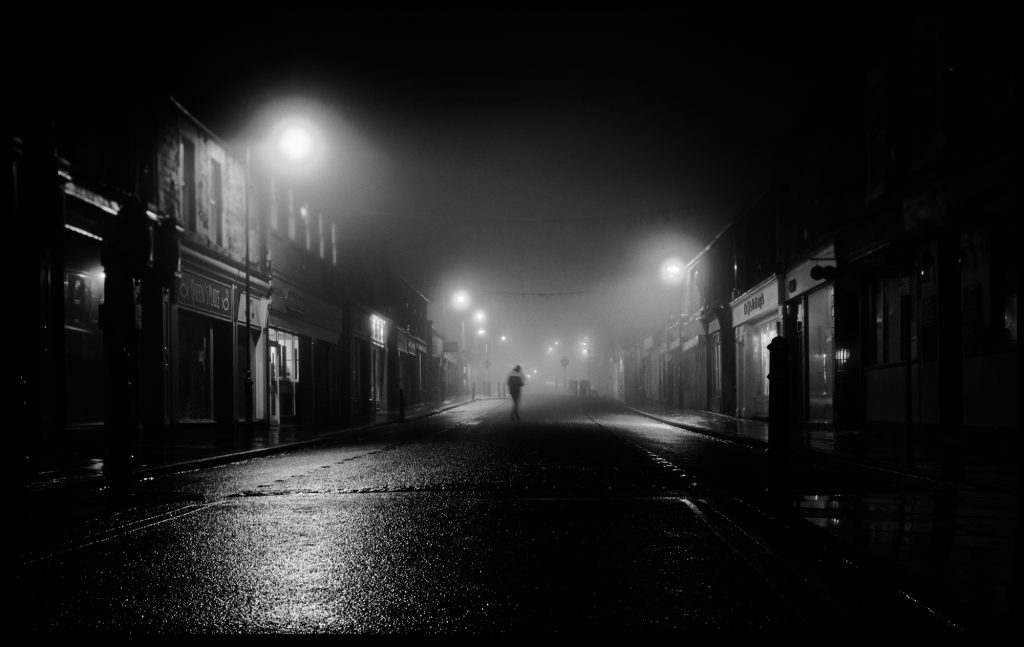
Before looking at reviews, write down what you expect to photograph. If you want to become a landscape photographer, then you will probably value high-quality weather sealing, something too heavy, a comfortable grip and long-exposure tools. Or, if photographing wildlife is your thing, then you will care more about subject detection, rapid autofocus, a useful burst rate, and a camera-lens combination with sufficient reach.
For portraits, dependable eye detection, flash compatibility and attractive lenses may head your list. Meanwhile, a lifestyle photographer might want something small and easy to slip in a pocket that looks good, and a street photographer seeks something discreet and fast-focusing.
Tip #2: Some cameras are designed for specific genres of photography.

Where will the camera be used?
Consider where you will use it. A camera for beaches, moorland and winter hills needs a different build than one that rarely leaves a studio. Outdoors, weather resistance depends on the whole setup, so a sealed body with an unsealed lens or an open connector cover doesn’t make a camera that you can use in the rain.
Check and compare published temperature and ingress-resistance claims for the camera model. Don’t assume a camera claiming “weather-sealing” has the same protection against sandstorms, dust and sea spray as one with, say, an IP53 rating.
Although that highly weather-proofed IP53 camera can withstand rain, it might not be a necessary investment if you use the camera only indoors. A lesser-protected camera might be enough, unless one day you shoot on a windswept beach.
Tip #3: If you shoot in tough conditions, get a camera that can withstand them.

Do You Shoot Video?
Video requirements vary from person to person. If you make an occasional family clip, advanced codecs and professional recording formats will add cost and complications without real benefit. However, if you are serious about videography, especially paid work, then recording limits, heat management, audio connections, stabilisation, and the formats your editing system requires become central.
Do you need 4K? Does the camera need to support vertical video recording? Do you need a log file for editing, or is an MPEG-4 straight from the camera sufficient?
Tip #4: Think about how deeply you want to get into shooting video.

When Choosing a Camera, Try it in Your Hands.
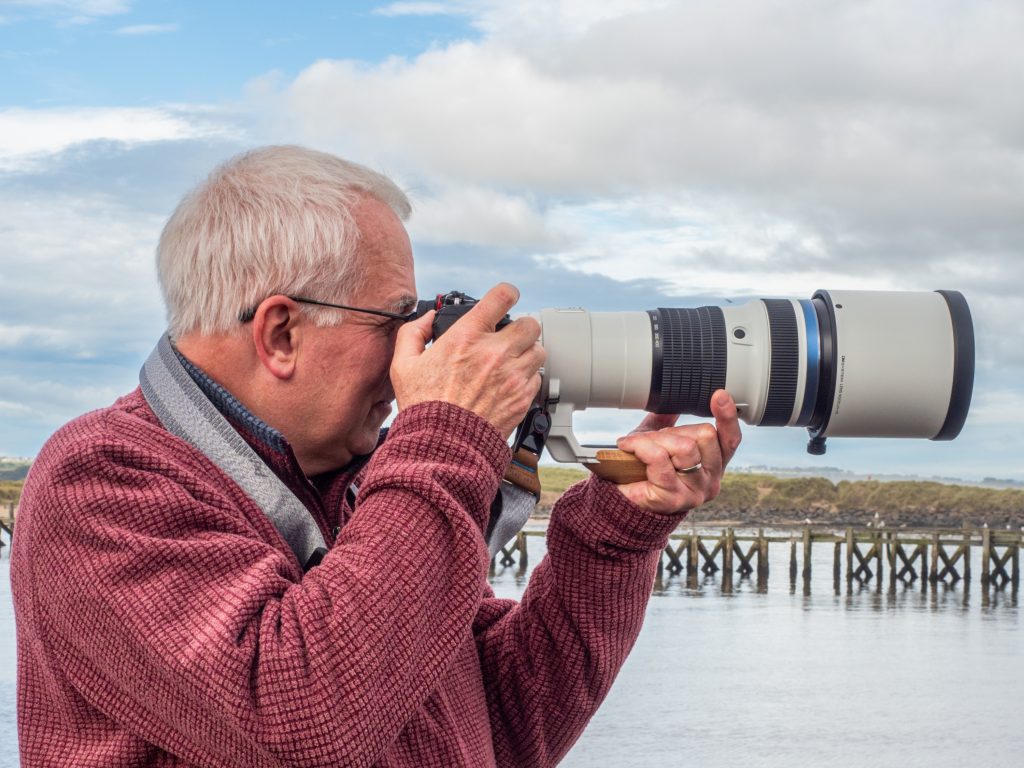
A specification sheet or a brand’s advert cannot tell you whether the camera fits your hands. Try different models before you decide. If possible, visit a proper camera shop and handle the body with the sort of lens you intend to carry. A small body can feel badly balanced with a large telephoto. A large system can be cumbersome and even uncomfortable to carry.
Years ago, I had my heart set on a particularly large full frame camera. However, when I picked it up, despite having relatively big hands, my fingers could not easily reach the shutter release button.
Weight has consequences, including comfort. Carrying a heavy camera and lens with a neck strap all day around the streets of Helsinki led to a neck injury. Leaving a camera at home because it is a burden offers no optical advantages. So, judge the whole outfit’s ergonomics: body, likely lenses, spare batteries and whatever bag or support must accompany them.
Check whether your forefinger lands naturally on the shutter release button, or if a grip presses uncomfortably into your hand. It is light enough to carry on a day-long walk. Those things matter when choosing a camera.
Tip #5: Try different cameras to find one that fits your hands.
Are the Controls Intuitive
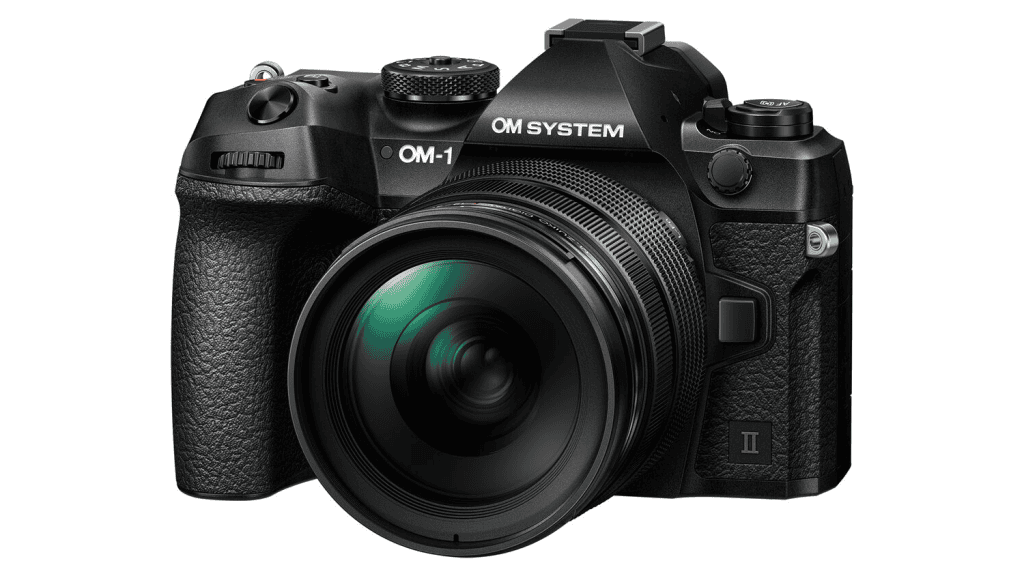
Try autofocusing on a subject and adjusting the aperture and shutter speed (the camera should have two separate dials for that). Did you find those things intuitive?
The following commonly used controls should also be easy to use: zooming in and out on a playback image, switching between continuous and single autofocus, selecting focus points, ISO, and exposure compensation in aperture priority.
Also, check that the viewfinder is large and clear enough for composing. You will use it to confirm autofocus has found the right subject, but you’ll also use manual focus sometimes.
Make sure it has a dioptre adjustment. Look through it while wearing your usual spectacles.
If those elementary operations require finger gymnastics in a shop, or are buried deep in the menus, or don’t quite meet your expectations, then you are likely to miss that vital shot when you use the camera in earnest.
Probably the most important feature is having two control dials: one for your right-hand thumb and the other for your forefinger. It will save you a lot of button-pressing for exposure compensation, which you’ll be using a lot as your skills progress.
Tip #6: Make sure the essential controls are intuitive and easy to access.
You Are Buying a System, not a Camera.
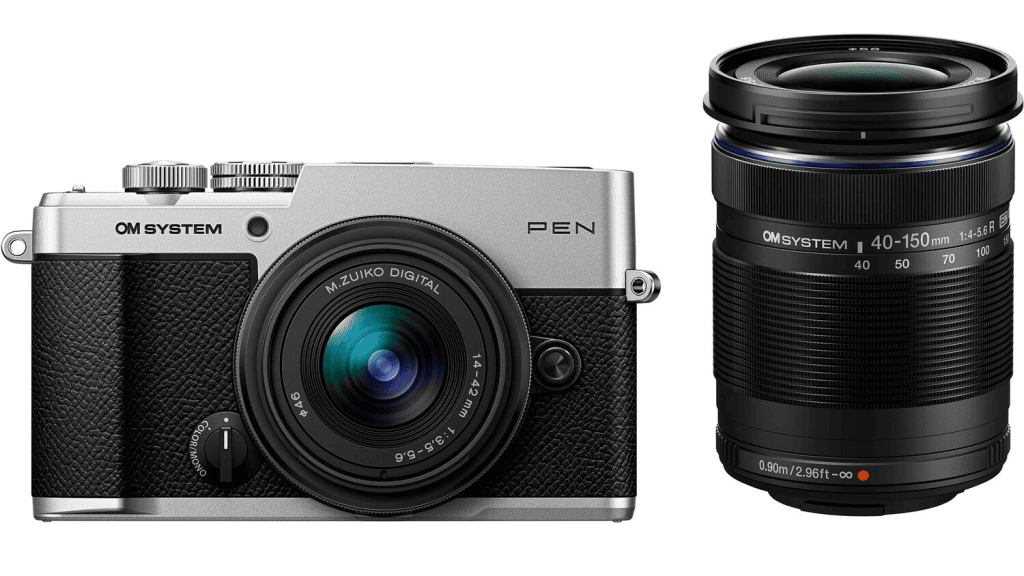
Don’t necessarily go for a standard kit lens. Some brands, but not all, bundle cameras with very cheap, low-quality lenses. You are better off buying the body only and adding the lens or lenses you need.
Bodies come and go as technology improves. However, lenses often stay in use much longer. Examine the lens range before committing to a camera brand; each has a different mount, so most are not interchangeable.
Are the focal lengths and apertures you need available at prices and weights you can accept? A bargain body is less enticing when the only suitable wildlife lens costs more than your car, or when the small prime you want simply does not exist.
Look beyond the camera manufacturer too. Flash equipment, extension tubes, remote releases, software support, repair facilities and the second-hand market can all matter.
Adapters may give old lenses a new life. But never assume that because two items physically attach, every function will work. Autofocus performance and compatibility vary dramatically when you use adaptors.
Tip #9 Buy the best quality lenses you can afford. They’ll make a bigger difference to your photography than upgrading the camera body.

Beware False Economies When Choosing a Camera
Getting your system choice right from the start is the most cost-effective way forward. Sometimes the better purchase is an older, higher-grade model within a strong system rather than a new entry-level one designed to hook you with an attractive price.
People who buy cheap cameras often regret it and either lose heart and give up photography because they cannot achieve the images that the adverts promised or end up buying another camera. At that point, they may discover that other systems serve them better than the popular brand they chose.
There are disadvantages to changing systems. It costs more than just changing the camera body. The lenses and accessories are tied to the old one, and you may have to trade them in to buy new ones. Plus, you’re familiar with your old system; you can find the menu button in the dark. But that shouldn’t lock you into an unsuitable brand. However, many people feel stuck with what they have.
Tip #10: Some camera brands are popular because they have good marketing departments. That doesn’t mean they are the best camera for you.
Reliability Is a Feature
Image-quality comparisons between current cameras from established makers are often less dramatic than online arguments suggest. In good light, any of them can produce excellent photographs. Build, controls and dependable operation may make a much greater difference.
When choosing a camera, research recurring faults and the quality of after-sales support.
Tip #11: Search online for the camera model along with widely reported faults and reliability.
Buying Second-Hand
When buying used, check the condition carefully. Start by operating every dial and button. Inspect the mount and card compartment, and test the autofocus and image stabilisation.
Take test shots and examine them on a computer.
A shutter-count figure can be useful where it is available, but it is not a medical certificate. Electronic parts, sockets and controls can fail too.
Some cameras can also have dust on the sensor. You can clean that, but I once bought a second-hand full-frame camera and found dust under the anti-aliasing filter on the sensor.
Tip #12: A second-hand camera can save you money, but it comes with risks. So only buy from reputable dealers with good return policies.

Avoid the Grey Market
Many grey market dealers buy surplus stock overseas (usually Asia) and sell it at a huge discount here. It is not without risks. Some people end up paying import duty and VAT on the gear before it’s delivered. Also, although grey importers offer their own warranty, the manufacturer might refuse repairs once it expires if the model wasn’t supplied to your country’s market.
Often, local manufacturers’ websites offer great deals. If you are going to buy an OM System camera, get in touch with me because I am likely to know about special promotions.
Tip #13: Manufacturers offer great deals, and it’s worth messaging brand ambassadors who may know about them.

Do You Need Two Card Slots?
Memory cards fail. For unrepeatable events, reliability also means having a backup. One wonderful camera with one memory card has one common point of failure. Therefore, having at least two card slots is essential for some professionals and those going on once-in-a-lifetime expeditions.
Alternatively, two bodies that share batteries and lenses may be a more sensible investment than spending the same total on a flagship body and hoping it behaves.
Tip #14: Consider two card slots or a backup body if what you are photographing is precious or irrepeatable.
Pay for the capabilities you will use.
There is no universally correct camera.
A 120-frames-per-second burst is astonishing for fleeting action and largely irrelevant for a carefully arranged still life. Very high resolution helps with large, closely viewed prints and heavy cropping, but it also means larger files, longer transfers, and greater demands on storage and processing. More is only better when it solves an actual problem.
Set a realistic budget for the complete working kit, and set aside funds for memory cards, batteries, a comfortable way to carry it, and, where necessary, a suitable lens. Then rank your requirements as essential, useful and merely tempting. Marketing departments are exceptionally good at moving items from the tempting column into the essential.
Tip #15: Work out your budget first. Photography can be a rewarding but expensive hobby.
Don’t just get the camera your friends chose.
Finally, ignore the friend who insists you must buy whatever brand they own. Ask them what is good and bad about it, certainly. But remember that their hands, subjects and tolerance for menus are not yours.
The right camera should help you take the photographs you can imagine and leave room for those you have not yet thought of. That is a better test than winning an argument over a specification table.
Tip #16. Don’t choose a brand or model just because your friend uses it. You might end up with something totally inappropriate for your needs.

Consider the cost of learning photography.
Finally, lots of people buy cameras and put them away in cupboards because they don’t know how to use them. Whether you learn through online videos, books, or training courses with a professional photographer, it still takes time and costs money.
Tip #17. Think about how you learn best, and set aside time and money to discover the joy of photography.

I am an OM System Ambassador. I took on that role because I am astounded by the image quality, unique features, and build of their cameras.
If you are considering buying a camera, I am always happy to chat with you about the OM System. I have a free handout on each model and its closest equivalents from the other major brands.
If you are buying one, then please help me by using this link to go to the OM System
I get paid a very small commission if you use it to buy your camera, which helps me keep this website running.